Japan to Deploy Surface-to-Air Missiles on Yonaguni Island by 2030
INDO-PACIFIC - Japanese Defense Minister Shinjiro Koizumi stated on February 24 that surface-to-air missiles capable of intercepting aircraft and ballistic missiles will be deployed to Yonaguni Island by fiscal 2030.
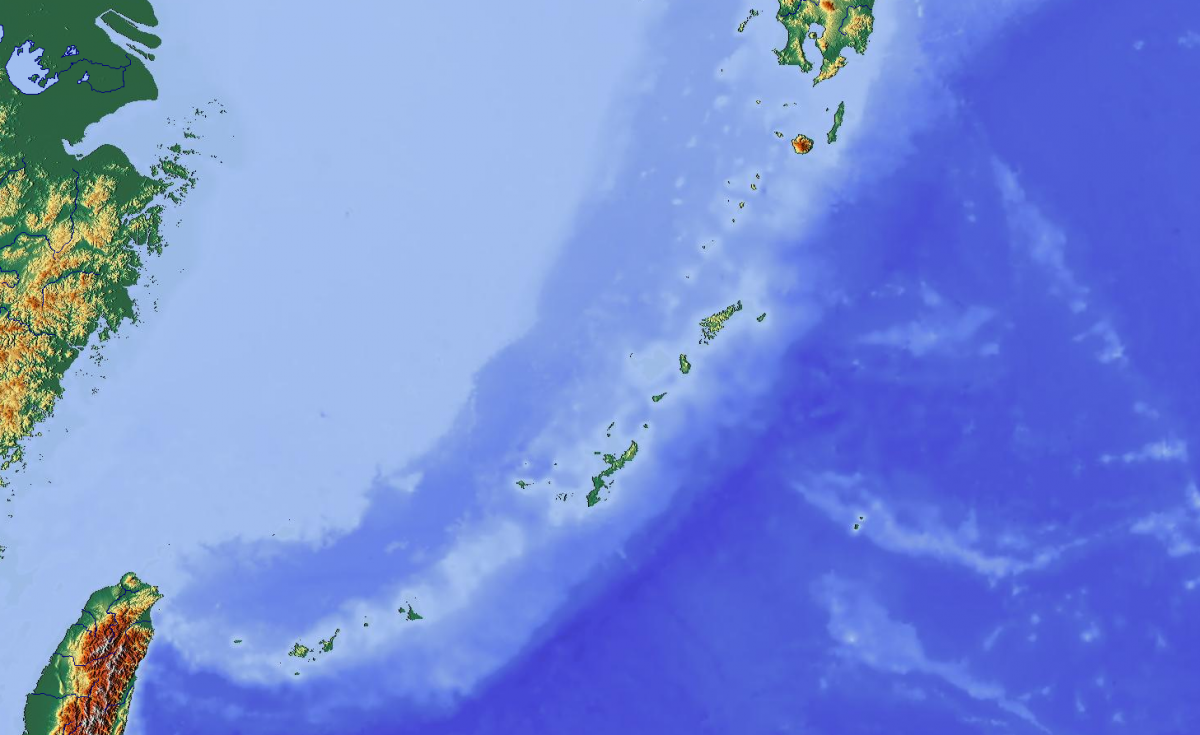
Yonaguni, Japan’s westernmost inhabited island in the Ryukyu chain and part of Okinawa Prefecture, lies approximately 68 miles (110 km) east of Taiwan. The announcement provides the clearest timetable to date for base enhancements first publicly outlined in 2022.
The deployment timing depends on facility preparation progress. According to defense planning documents, an electronic warfare unit is already scheduled for fiscal 2026.
This development occurs against the backdrop of heightened tensions over Taiwan, with Japan reinforcing southwestern island defenses as part of national security strategy updates.Deployment Plans and TimelineJapan’s Ground Self-Defense Force intends to station a Type-03 Chu-SAM medium-range surface-to-air missile unit at Camp Yonaguni. Plans to expand the base and accommodate a missile unit were first outlined in 2022.
The February 24 announcement marks the initial commitment to a specific operational deadline of fiscal 2030. Koizumi emphasized that exact timing remains subject to infrastructure readiness.
Yonaguni already hosts a coastal observation unit established in 2016. Additional capabilities, including radar and electronic warfare assets, form part of layered southwestern island defense enhancements.
Assessment: The timeline provides concrete planning visibility for a strategically located outpost. Facility construction progress will determine final readiness, with fiscal 2030 serving as the current target benchmark. The phased approach aligns with broader southwestern island reinforcement efforts and allows adjustment based on resource allocation.
Strategic Context and Geographic Significance
Yonaguni sits at the southwestern edge of Japan’s territory, forming part of the first island chain and offering visibility toward Taiwan on clear days. The island’s position places it along key sea and air routes relevant to potential contingencies in the Taiwan Strait or East China Sea.
Japan has steadily reinforced southwestern islands through radar installations, missile units, and observation posts since the early 2010s. These measures align with updated national defense guidelines emphasizing stand-off capabilities and integrated air and missile defense.
The deployment fits within Japan’s broader efforts to enhance deterrence in the Indo-Pacific, including cooperation with allies and partners.
Assessment: Yonaguni’s location offers operational advantages for monitoring and response in the region. The missile unit contributes to layered defense architecture without altering the fundamental defensive posture of Japan’s Self-Defense Forces. The specific timeline signals deliberate prioritization of southwestern capabilities while regional dynamics continue and complements existing observation assets already in place.
Full Report & Analysis
The full report includes expert analysis and risk assessment.
Full Report & Analysis →