Kuwaiti Air Defenses Respond to Missiles and Drones
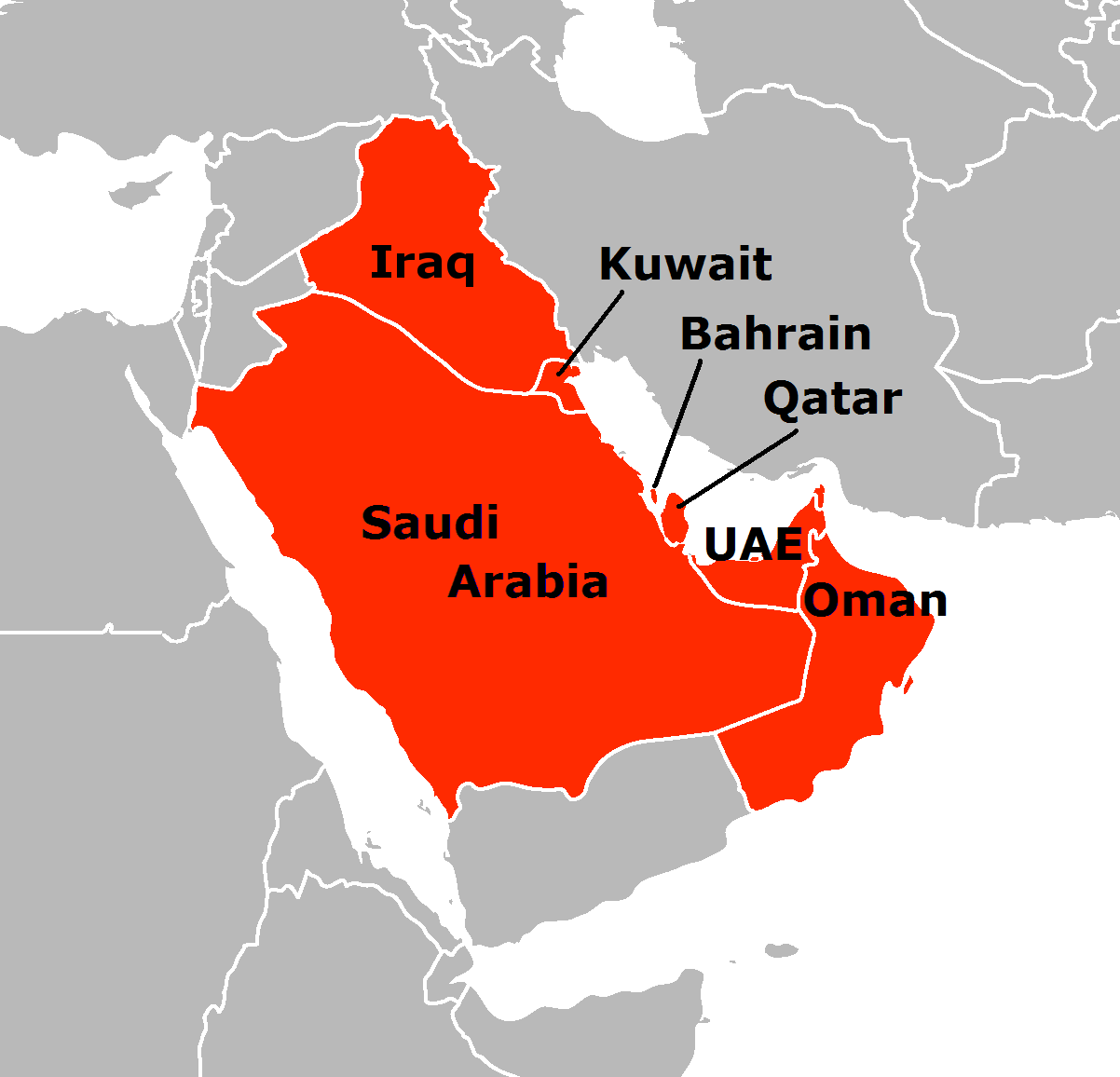
KUWAIT — On Sunday the General Staff of the Kuwaiti Armed Forces stated that Kuwaiti air defenses are currently responding to hostile missile and drone threats following what it described as Iranian aggression.
The statement confirmed that any explosions heard result from interceptions of the incoming targets and directed the public to follow safety and security instructions from competent authorities.
This engagement forms part of a series of Iranian missile and drone operations against Kuwait since early July, which Kuwaiti officials have attributed to retaliation for United States strikes on Iranian territory.
On Saturday the Kuwaiti Ministry of Defense spokesman Colonel Staff Saud Al-Atwan reported that forces had detected and intercepted ballistic missiles and hostile drones inside Kuwaiti airspace since dawn.
Colonel Al-Atwan noted that the attacks targeted military and security installations along with oil, electricity, and water facilities, causing fires and damage.
Injuries occurred among firefighters and oil sector workers during response efforts, while debris from interceptions produced material damage in residential areas without recorded civilian casualties from the falling fragments.
Earlier statements documented specific interceptions, including multiple ballistic missiles, cruise missiles, and drones on successive days, with limited injuries and infrastructure effects from debris or direct hits on non-military sites.
Iranian statements in prior phases of the exchange claimed targeting of United States facilities hosted in Kuwait, including radar, air defense, and fuel storage elements at bases such as Ali Al Salem.
On Saturday the Kuwait Ministry of Foreign Affairs issued a formal condemnation of the attack that struck another power generation and water desalination station, oil sector facilities, and other important installations.
The ministry said that the assault produced fires and substantial damage to important facilities, civilian infrastructure, and residential buildings. It held Iran fully responsible and reserved Kuwait’s right to take all necessary measures in self-defense under Article 51 of the United Nations Charter.
The same day the foreign minister conducted telephone calls with the Saudi foreign minister and the Pakistani foreign minister to condemn the attacks and discuss regional de-escalation efforts.
Iranian state media said that in the 16th phase of Operation Sa’eqeh, kamikaze drones of the Iranian Army struck Ali Al-Salem Air Base and Camp Udairi.
Separate Iranian claims on Saturday and Friday described strikes on radar systems, ammunition depots, and other positions at United States facilities in Kuwait as part of ongoing retaliatory phases.
Interceptions and Effects On Infrastructure
Kuwaiti air defense systems have engaged successive waves of ballistic missiles, cruise missiles, and drones entering national airspace.
Official spokesmen have noted successful neutralization in multiple instances, with public advisories emphasizing that audible explosions stem from intercepts rather than impacts.
Debris from these operations has damaged power transmission lines, oil-related platforms, and other sites on separate occasions, prompting explosive ordnance teams to clear remnants.
On Saturday the Ministry of Defense detailed fires at oil and electricity facilities along with injuries to personnel engaged in firefighting and repair.
No fatalities among civilians were reported in the latest statements. Earlier in the series, one person sustained injury from debris and remained in stable condition after medical treatment.
Kuwaiti Ministry of Foreign Affairs communications have condemned the attacks as violations of sovereignty and threats to regional stability, reaffirming the right to take necessary protective measures under international law.
The Saturday ministry statement specifically identified damage to a second power and water desalination station and residential structures, expanding the documented civilian infrastructure impact beyond earlier power-line incidents.
Official Statements
-
General Staff of the Kuwaiti Armed Forces, July 19: “Kuwaiti air defenses are currently responding to hostile missile and drone threats following the sinful Iranian aggression. The General Staff of the Army notes that if explosion sounds are heard, they are the result of air defense systems intercepting the hostile attacks. Everyone is kindly requested to adhere to the safety and security instructions issued by the competent authorities.”
-
Ministry of Defense spokesman Colonel Staff Saud Al-Atwan, July 18 (Statement No. 76): “Forces detected ballistic missiles and hostile drones inside Kuwaiti airspace since dawn and intercepted them. The Iranian aggression continued targeting military and security facilities as well as oil, electricity, and water installations, causing fires and substantial damage. Competent authorities began firefighting and repair; injuries occurred among firefighters and oil workers who are receiving medical care. Debris from interceptions caused material damage in residential areas without civilian casualties.”
-
Kuwait Ministry of Foreign Affairs, July 18: “The State of Kuwait condemns and denounces in the strongest terms the sinful Iranian aggression that targeted the country’s territory this morning and struck another power generation and water desalination station, oil sector facilities, and a number of vital installations, resulting in fires and substantial damage to vital facilities, civilian infrastructure, and residential buildings. The ministry affirms that the repeated targeting of vital installations reveals a systematic aggressive approach aimed at civilian objects and essential infrastructure, endangering civilian lives and safety in flagrant violation of international law, international humanitarian law, the United Nations Charter, and Security Council Resolution 2817. It holds Iran fully responsible for this aggression and its consequences and demands an immediate halt. The State of Kuwait reserves its full right to take all necessary measures to protect its security and defend its territory and vital installations against any aggression or threat, based on its inherent right of self-defense under Article 51 of the United Nations Charter and the rules of international law.” (translated from Arabic)
Full Report & Analysis
The full report includes expert analysis and risk assessment.
Full Report & Analysis →