Israel and U.S. Conduct Preemptive Strikes on Iran Targeting Nuclear and Military Sites
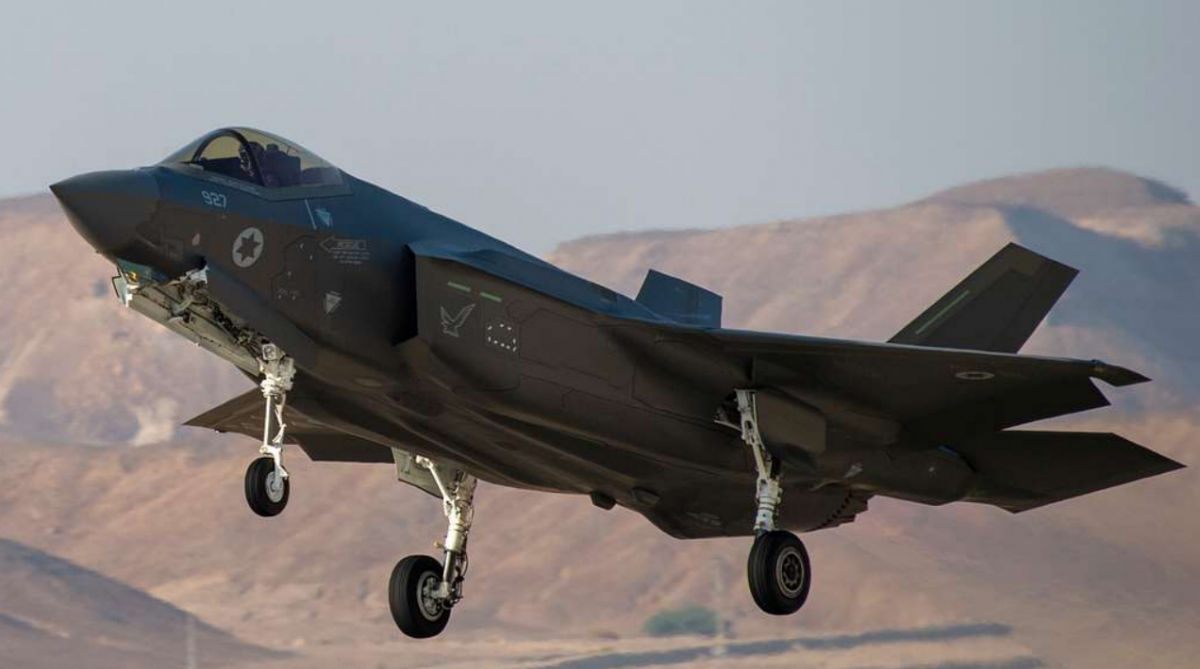
MIDDLE EAST - Israel launched preemptive strikes on Iran on February 28, with explosions reported in Tehran and other cities. Israeli Defense Minister Israel Katz stated the action removed threats to Israel. A nationwide state of emergency was declared in Israel, closing airspace and directing citizens to shelters in anticipation of Iranian retaliation. Sirens sounded across the country as officials warned of imminent missile and drone attacks.
The operation follows the failure of U.S.-Iran nuclear negotiations in Geneva on February 26. U.S. officials presented demands for dismantling facilities and halting proxy support, which Iran rejected while seeking sanctions relief.
The U.S. had positioned military assets, including carriers, in the region prior to the strikes. Reports indicate U.S. aircraft participated, operating from regional bases and targeting ballistic missile sites. President Trump stated major combat operations began to defend against Iranian threats.
Execution and Locations of the Strikes
The strikes commenced around 10:45 a.m. local time in Iran, according to accounts. Multiple explosions occurred in central Tehran near the presidential palace and Supreme Leader Ayatollah Ali Khamenei’s residence, with additional blasts reported in Qom, Isfahan, Karaj, and Kermanshah.
Smoke was observed rising from downtown Tehran areas, but specific casualty figures and damage assessments have not been released. Iranian state media confirmed explosions but did not specify causes or extent.
The strikes were part of a multi-day operation planned to surprise Iran with a daytime attack. Israeli hospitals shifted to underground operations, with the Health Ministry ordering the highest readiness level, discharging non-urgent patients, and preparing emergency facilities.
The U.S. embassy in Qatar told Americans to shelter in place. Similar measures were announced by the U.S. embassy in Bahrain.
According to Israeli Defense Minister Israel Katz, “The State of Israel has launched a preemptive strike against Iran to remove threats to the State of Israel.”
The statement reflects Israel’s rationale for acting before perceived threats could materialize. The strikes represent an escalation beyond the June 2025 war in scope, building on previous tensions and failed diplomatic efforts while raising questions about how other regional actors will respond.
The involvement of U.S. forces indicates a coordinated effort that could affect global energy markets given Iran’s position in the Strait of Hormuz. The immediate implications include heightened risks of retaliation, which could involve direct missile strikes or proxy actions.
The lack of immediate casualty reports suggests initial assessments are ongoing, but historical precedents indicate potential for significant civilian impact. This operation connects to broader patterns of conflict in the Middle East, where preemptive actions have often led to prolonged engagements.
Official Statements
Israel Katz, Israeli Defense Minister (February 28, 2026): “The State of Israel has launched a preemptive strike against Iran to remove threats to the State of Israel.”
Israeli Military Spokesperson (February 28, 2026): “A missile and drone attack against the State of Israel and its civilian population is expected in the immediate time frame.”
President Donald Trump (February 28, 2026): “Our objective is to defend the American people by eliminating imminent threats from the Iranian regime, a vicious group of very hard, terrible people. Its menacing activities directly endanger the United States, our troops, our bases overseas and our allies throughout the world.”
Full Report & Analysis
The full report includes expert analysis and risk assessment.
Full Report & Analysis →