
Sweden: Russian Drone Intrusion In Territorial Waters Near French Carrier Charles de Gaulle in Öresund Strait, Russia Denies As Absurd
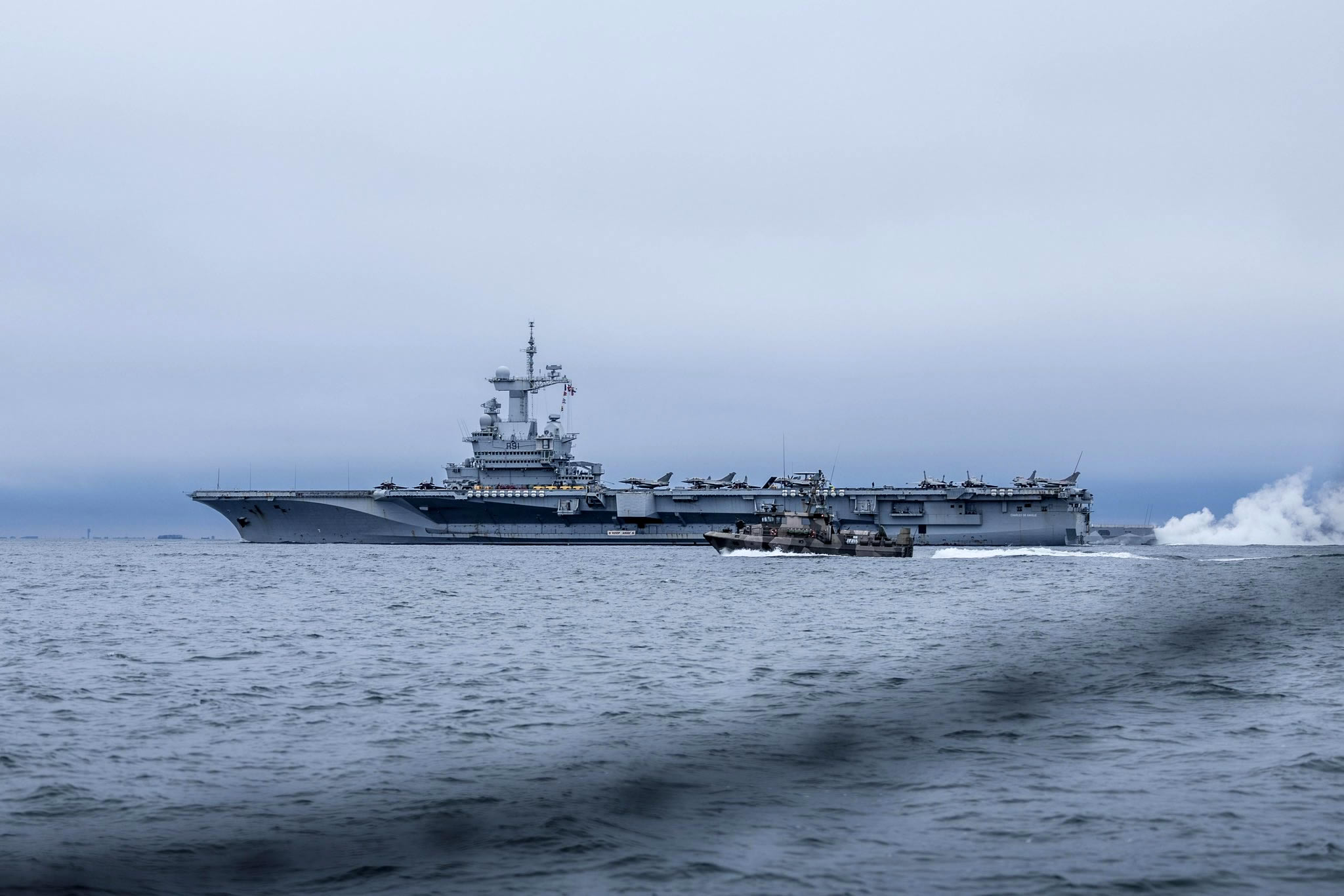
EUROPE - On February 27, the Swedish Armed Forces announced that a Russian drone had been observed launching from the signals intelligence vessel Zhigulevsk while transiting the Öresund Strait.
The incident took place during the French aircraft carrier Charles de Gaulle’s port call in Malmö, prompting immediate action from a Swedish Navy patrol vessel to disrupt the drone’s operations. The Zhigulevsk, which had entered Swedish territorial waters under international transit rules, was escorted out and proceeded into the Baltic Sea.
This event marks a notable maritime security occurrence in a strategically vital waterway connecting the Baltic Sea to the North Sea, involving NATO allies Sweden and France. The French carrier’s visit, part of routine NATO exercises, began on February 24 and included high-level diplomatic engagements.
Swedish officials linked the drone directly to the Russian ship. French and Swedish leaders addressed the matter during a joint visit to the carrier, highlighting concerns over potential provocations in European waters.
The Charles de Gaulle arrived in Malmö on February 24 as part of NATO’s ongoing maritime activities in the region. During the vessel’s transit through the Öresund Strait, the Swedish Navy vessel HMS Rapp detected the drone launch from the Zhigulevsk.
Systems aboard the Rapp initiated countermeasures, successfully jamming the drone and causing loss of contact. The Swedish Armed Forces conducted a technical analysis post-incident, confirming the drone’s origin from the Russian ship.
No damage or further intrusions were reported. Swedish Prime Minister Ulf Kristersson and Defense Minister Pål Jonson visited the carrier alongside French officials, where the matter was discussed.
Assessment: This swift response demonstrates effective maritime domain awareness in a high-traffic strait, preventing potential intelligence gathering on NATO assets. The incident aligns with patterns of Russian surveillance operations near allied activities, though it did not escalate beyond jamming. Monitoring for repeat occurrences could indicate heightened tensions in the Baltic region, potentially affecting future NATO exercises in the area.
Russian Vessel Zhigulevsk Details
The Zhigulevsk is a Russian Navy signals intelligence ship, designed for electronic surveillance and reconnaissance missions. It entered Swedish territorial waters in compliance with international passage rights but was monitored closely by the HMS Rapp during its transit.
The vessel’s presence in the Öresund coincided with the Charles de Gaulle’s port visit, raising concerns about targeted intelligence collection.
No formal Russian Ministry of Defense response on the drone incident has been identified. Kremlin spokesperson Dmitry Peskov dismissed Swedish claims as “absurd,” questioning the link to the Russian ship solely based on proximity.
The Zhigulevsk, part of Russia’s Baltic Fleet, measures 94.4 meters in length with a displacement of 3,470 tons. It carries advanced electronic warfare suites capable of intercepting communications across multiple spectra.
Assessment: The Zhigulevsk’s capabilities suggest it could support drone operations for signals collection, consistent with Russian naval practices in contested areas. This positioning near a NATO flagship exposes ongoing reconnaissance efforts, potentially testing response times. Absence of a detailed Russian denial leaves room for further clarification through diplomatic channels, which could influence bilateral relations.
French Aircraft Carrier Charles de Gaulle Visit
The Charles de Gaulle, France’s nuclear-powered aircraft carrier, made its inaugural visit to Sweden, docking in Malmö on February 24. The port call facilitated high-level meetings, including those between Swedish and French foreign and defense ministers.
During the visit, French Foreign Minister Jean-Noël Barrot described a confirmed Russian origin for the drone as a “ridiculous provocation,” emphasizing that the carrier’s security remained unthreatened. The drone was detected approximately seven nautical miles from the vessel. No impact on the scheduled activities was reported.
The carrier, commissioned in 2001, displaces 42,500 tons and carries up to 40 aircraft, including Rafale fighters. Its propulsion system allows speeds over 27 knots.
Assessment: This visit strengthens NATO interoperability in the Baltic region, showcasing allied naval presence as regional tensions continue. The drone incident exposes vulnerabilities in port security during such events, though effective countermeasures mitigated risks. Future visits may incorporate enhanced electronic warfare protocols to deter similar intrusions, potentially altering operational planning.
International Reactions and Diplomatic Context
Swedish Defense Minister Pål Jonson stated there was a “strong link” between the drone and the Russian vessel, calling the action “serious and irresponsible.” Prime Minister Kristersson noted it was unsurprising given Russia’s stance on Western exercises.
French officials echoed concerns, with Barrot affirming solidarity with Sweden’s response. No immediate diplomatic protests were announced, but the incident was framed as provocative. Russian officials rejected the allegations, with Peskov calling them absurd.
NATO Secretary General Mark Rutte, in a related context, emphasized the alliance’s commitment to defending every inch of allied territory against Russian threats.
Assessment: These reactions reflect heightened vigilance among NATO members in the face of Russian maritime activities. The lack of escalation suggests a contained incident, but it could strain diplomatic relations if similar events recur. Monitoring official channels for formal responses will clarify potential long-term impacts on Baltic security cooperation, including alliance cohesion.
What to Watch:
Increased Russian vessel transits in the Baltic Sea within the next 7-14 days, trackable via AIS data from providers like MarineTraffic.
Formal diplomatic notes or protests from Sweden or France to Russia by early March, monitor via MID.ru or state.gov press releases.
Changes in NATO exercise schedules or port security protocols, indicated by NOTAMs or alliance communiqués within the month.
Updates to NATO air policing missions in response to violations, per alliance records.
Further Russian naval deployments in the region, via OSINT tracking sources.
Official Statements
Swedish Defense Minister Pål Jonson, February 27: “There is a strong link between the drone and the Russian vessel. This action is serious and irresponsible.”
Swedish Prime Minister Ulf Kristersson, February 27: “It is unsurprising given Russia’s stance on Western exercises.”
French Foreign Minister Jean-Noël Barrot, February 27: “A confirmed Russian origin for the drone is a ridiculous provocation.”
Kremlin Spokesperson Dmitry Peskov, February 27: “Swedish claims are absurd.”
Full Report & Analysis
The full report includes expert analysis and risk assessment.
Full Report & Analysis →