Somali National Intelligence Agency Reports Elimination of Over 23 Al-Shabaab Militants in Preemptive Operations in Hiiraan and Middle Shabelle
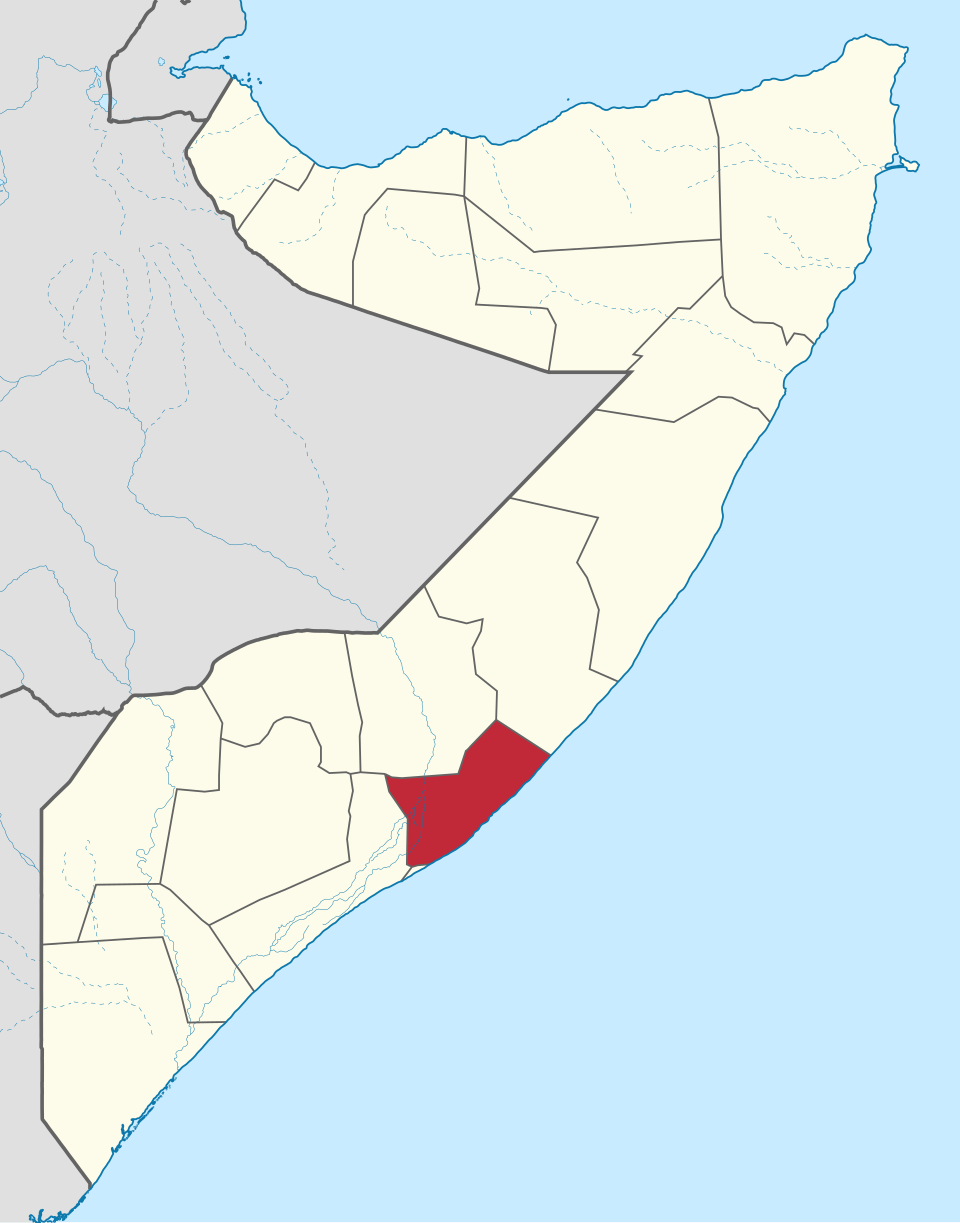
Credit: Middle Shabele. Credit: TUBS, CC BY-SA 3.0, via Wikimedia
SOMALIA - Somalia’s National Intelligence and Security Agency (NISA) announced February 24 that it conducted four planned operations during the week in districts of Hiiraan and Middle Shabelle regions, resulting in the deaths of more than 23 Al-Shabaab militants the agency stated were preparing attacks in Hirshabelle state areas.
The agency stated the operations were carried out with the help of international partners, and followed intelligence on militant mobilization in multiple locations across Maxaas and Moqokori districts, with Commander Mustaf Caato identified.
Although U.S. forces and the African Union Transition Mission in Somalia (ATMIS) continue to operate alongside Somali units in Hiiraan and Middle Shabelle, no partner has been specifically identified in connection with these strikes.
U.S. Africa Command has not issued a public release on the operations, with its most recent statements dated February 18 and covering airstrikes conducted on February 16 and 17 in Harbole and the Golis Mountains.
Key Developments
NISA’s press release details four coordinated operations based on intelligence that NISA stated confirmed militant assembly and attack preparation in central Somalia districts.
One operation destroyed a camp in Moqokori, Hiiraan, used by militants linked to attack planning. The reported militant network was mobilizing in specified Middle Shabelle locations under Commander Mustaf Caato. These actions reflect NISA’s focus on disrupting threats before execution in government or contested Hirshabelle areas.
Assessment: Targeting preparation sites rather than large formations limits immediate militant mobility in Hiiraan and Middle Shabelle. Sustained intelligence collection and rapid response in these districts can constrain Al-Shabaab movement between regions, though terrain and local dynamics continue to influence operational outcomes. If similar intelligence continues to identify logistics nodes, repeated actions can force militants to operate in smaller, more dispersed groups.
Militant Mobilization and Camp Destruction Details
Intelligence indicated assembly in Waab-weyn and Goobo areas under Maxaas district, with additional activity in the Maxaa Saciid location of Shabeellaha Dhexe. The Moqokori camp in Hiiraan housed militants from units involved in planning attacks across Hirshabelle. The strike destroyed the facility, removing a site used for coordination.
Assessment: The group may respond by shifting to smaller cells or indirect methods to avoid similar intelligence-led targeting in assembly points. This adaptation would reduce their ability to coordinate large attacks in the short term while maintaining pressure on government-controlled areas through dispersed operations. Observable indicators would include changes in attack frequency or methods in Hirshabelle districts in the weeks following these operations.
Regional Security Context in Central Somalia
Hiiraan and Middle Shabelle remain active areas in Somalia’s counter-Al-Shabaab efforts within Hirshabelle state. NISA and Somali forces conduct targeted operations to address militant presence and planning in these regions.
The reported focus on preemptive action aligns with priorities to protect civilian areas and maintain stability in central Somalia.
Assessment: The operations may strengthen Hirshabelle state governance by demonstrating security presence in contested districts. Reduced threat levels could limit civilian displacement from militant activity, though repeated actions in populated areas may affect local trust if operations lead to unintended effects on communities. Changes in civilian reporting trends via the provided hotlines would serve as a measurable indicator of the operations’ effect on local threat levels.
International Partner Involvement
NISA’s press release states the operations were conducted in collaboration with international partners. In counter-Al-Shabaab operations across central Somalia, the United States maintains a long-standing role through AFRICOM, providing intelligence support, training to Somali forces, and occasional airstrikes in the region.
African Union Transition Mission in Somalia (ATMIS) forces also operate alongside Somali units in Hiiraan and Middle Shabelle. No specific partner was identified for these particular strikes.
Assessment: U.S. involvement, if limited to intelligence or advisory support, would align with established patterns of bilateral assistance to Somali security forces without direct ground presence. This could improve targeting accuracy but risks Al-Shabaab framing the actions as foreign intervention, potentially aiding recruitment. Watch for any AFRICOM or U.S. Embassy statements referencing support to NISA operations in Hiiraan or Middle Shabelle during the week of February 24.
Official Statements
NISA Official Press Release, February 24, 2026: “Mogadishu, February 24, 2026 - The National Intelligence and Security Agency (NISA), working in coordination with international partners, has carried out four planned security operations this week across parts of the Hiiraan and Middle Shabelle regions, killing more than 23 Al-Shabaab terrorists, authorities said. The preventive operations targeted militants who were preparing to launch attacks in several districts of the Hirshabelle State. These operations - most recently conducted late last night - also resulted in the destruction of a militant camp in the Moqokori district of Hiiraan, where fighters, including members of the group’s so-called ‘Hisba’ units, had been stationed as part of planned attacks in the region. NISA has intensified efforts to prevent and eradicate terrorism to ensure overall national security and stability. Citizens, please share any security threats or information related to Al-Shabaab/Daesh with NISA at 199 / 0770747474 / 0620545454."
Full Report & Analysis
The full report includes expert analysis and risk assessment.
Full Report & Analysis →