Syrian Government and SDF Reach Ceasefire and Integration Agreement Amid Recent Clashes

SYRIA - On January 18, the Syrian government and the Syrian Democratic Forces concluded a ceasefire and integration agreement to cease hostilities and promote national cohesion.
This accord followed confrontations in Aleppo and northeastern regions, where Syrian forces progressed into areas controlled by the Syrian Democratic Forces.
The agreement encompasses provisions for territorial transitions, military assimilation, and acknowledgment of rights, which may influence the configuration of post-conflict governance in Syria.
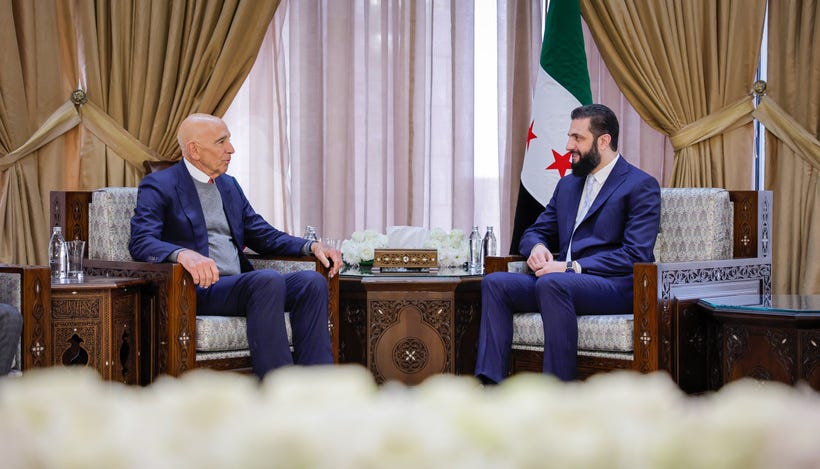
The Syrian Presidency emphasized the unity and sovereignty of Syria over its entire territory, the role of dialogue in the present stage, and the reconstruction of the nation with participation from all citizens, coupled with coordinated actions against terrorism.
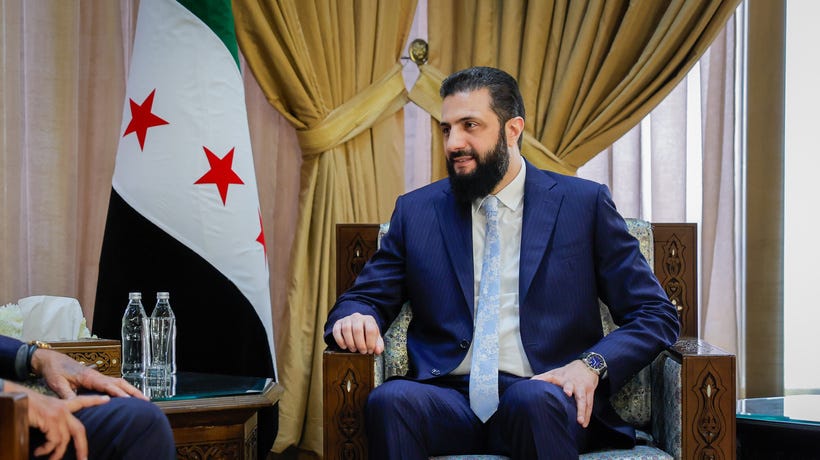
Both entities committed to reducing tensions, with indications of optimism regarding stability in the region. The agreement occurs within a context of external diplomatic activities, including efforts by the United States to sustain coalitions against the Islamic State.
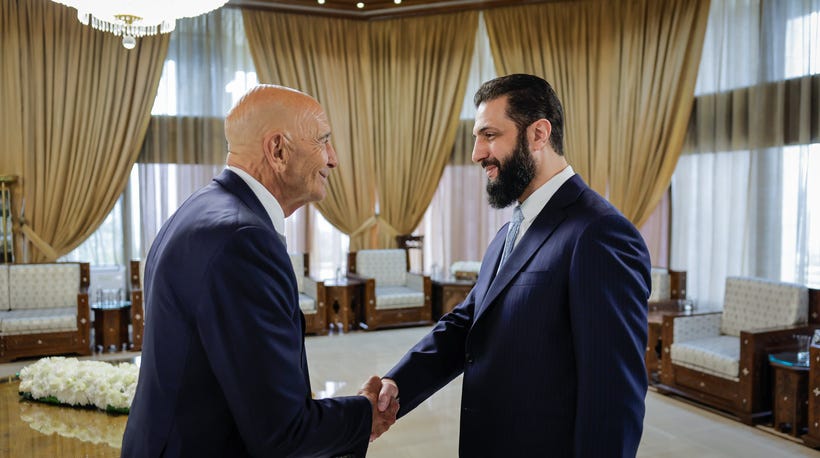
Interactions with representatives from Qatar and France reflect international interest in Syria’s unification process. The execution schedule involves prompt halts to combat and shifts in administrative control.
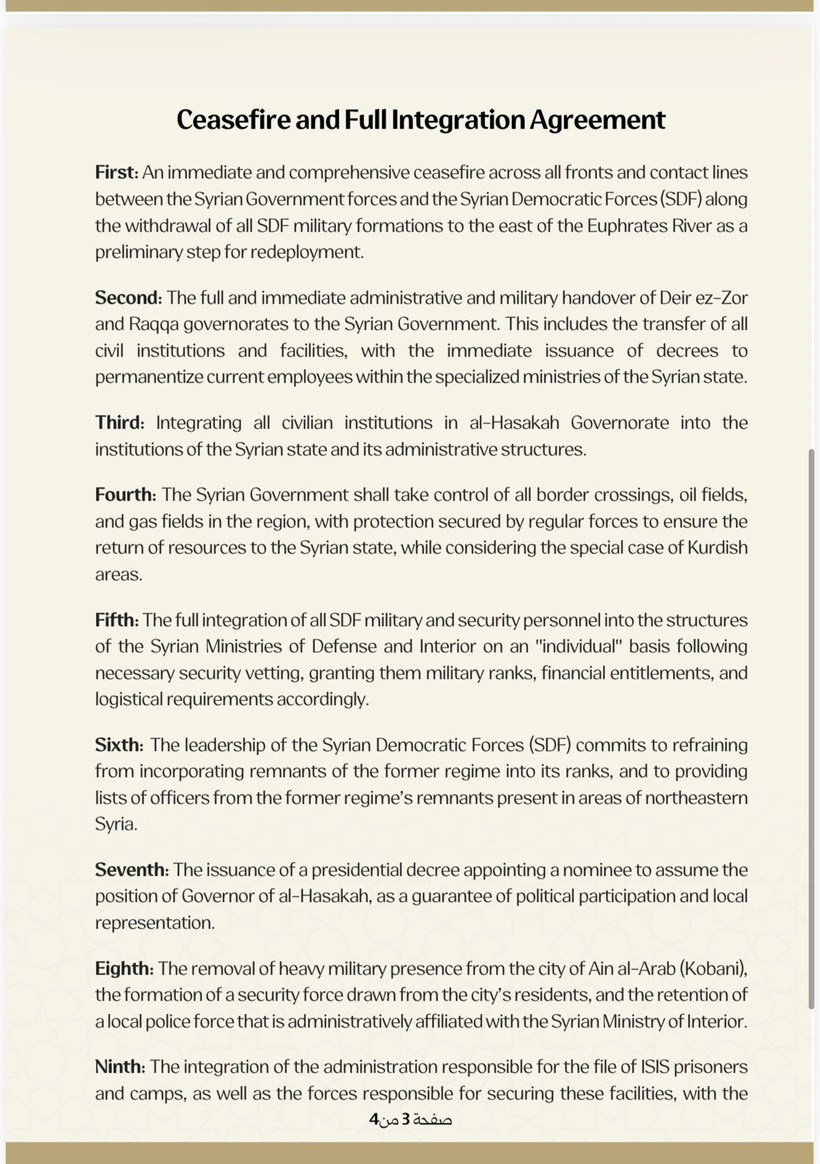
The agreement consists of 14 provisions to support the ceasefire, territorial assimilation, and national reconciliation:
Immediate and comprehensive ceasefire across all fronts and contact lines between Syrian government forces and the Syrian Democratic Forces, with withdrawal of all Syrian Democratic Forces military formations to the east of the Euphrates River as a preliminary redeployment step.
Full and immediate administrative and military handover of Deir ez-Zor and Raqqa governorates to the Syrian government, including transfer of all civil institutions and facilities, with decrees to permanentize current employees within relevant ministries.
Integration of all civilian institutions in al-Hasakah Governorate into the Syrian state’s administrative structures.
Syrian government control of all border crossings, oil fields, and gas fields in the region, secured by regular forces to ensure resource return to the state, considering the special case of Kurdish areas.
Full integration of all Syrian Democratic Forces military and security personnel into the Syrian Ministries of Defense and Interior on an individual basis, following security vetting, with granting of military ranks, financial entitlements, and logistical requirements.
Syrian Democratic Forces leadership commitment to refrain from incorporating former regime remnants into its ranks and to provide lists of officers from former regime remnants present in northeastern Syria.
Presidential decree appointing a nominee as Governor of al-Hasakah, guaranteeing political participation and local representation.
Removal of heavy military presence from Ain al-Arab (Kobani), with formation of a security force from city residents and retention of a local police force affiliated with the Syrian Ministry of Interior.
Integration of the administration responsible for Islamic State prisoners and camps, along with securing forces, into the Syrian government, which assumes full legal and security responsibility.
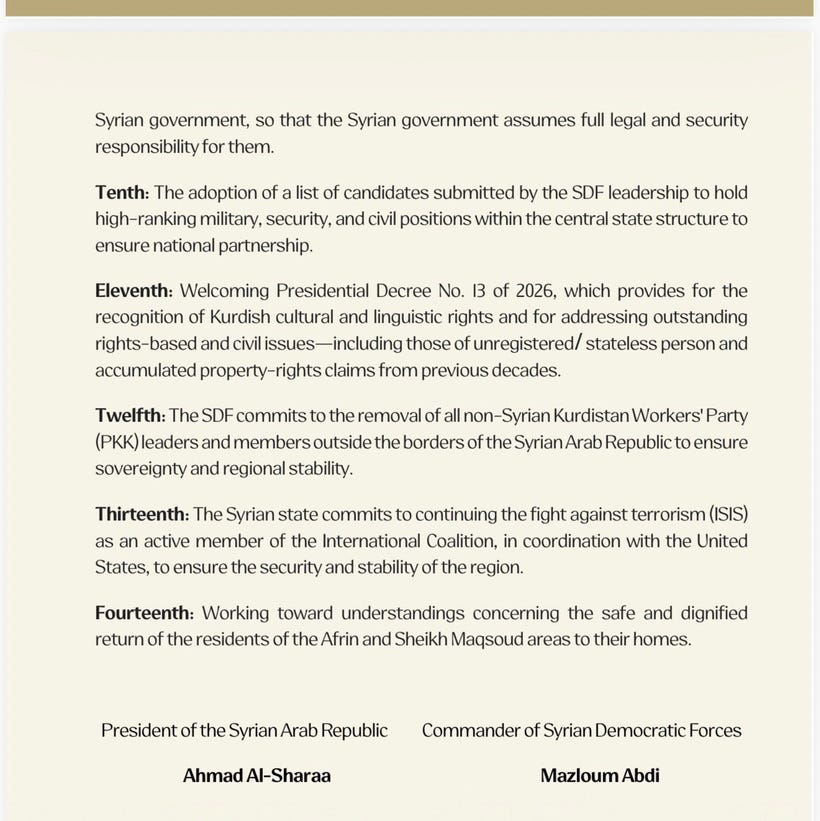
Adoption of a list of candidates submitted by Syrian Democratic Forces leadership for high-ranking military, security, and civil positions within the central state structure to ensure national partnership.
Welcoming of Presidential Decree No. 13 of 2026, providing recognition of Kurdish cultural and linguistic rights and addressing outstanding rights-based and civil issues, including unregistered or stateless persons and accumulated property-rights claims.
Syrian Democratic Forces commitment to removing all non-Syrian Kurdistan Workers’ Party leaders and members outside Syrian borders to ensure sovereignty and regional stability.
Syrian state commitment to continuing the fight against terrorism (Islamic State) as an active International Coalition member, in coordination with the United States, to ensure regional security and stability.
Working toward understandings for the safe and dignified return of residents from Afrin and Sheikh Maqsoud areas to their homes.
These provisions outline a framework for unified administration, emphasizing security measures, and administrative cohesion.
The United States expressed support for the agreement as a step toward Syrian unification. Officials noted the integral position of Kurds and prospects for coalition assimilation against the Islamic State. This position corresponds with United States initiatives for regional stabilization and peace advancement.
Turkish perspectives highlight the expulsion of elements associated with the Kurdistan Workers’ Party, considered vital for securing borders. Established tensions with Kurdish entities emphasize Ankara’s focus on curtailing cross-border activities.
Immediate and comprehensive ceasefire across all fronts and contact lines between Syrian government forces and the Syrian Democratic Forces, with withdrawal of all Syrian Democratic Forces military formations to the east of the Euphrates River as a preliminary redeployment step.
Full and immediate administrative and military handover of Deir ez-Zor and Raqqa governorates to the Syrian government, including transfer of all civil institutions and facilities, with decrees to permanentize current employees within relevant ministries.
Integration of all civilian institutions in al-Hasakah Governorate into the Syrian state’s administrative structures.
Syrian government control of all border crossings, oil fields, and gas fields in the region, secured by regular forces to ensure resource return to the state, considering the special case of Kurdish areas.
Full integration of all Syrian Democratic Forces military and security personnel into the Syrian Ministries of Defense and Interior on an individual basis, following security vetting, with granting of military ranks, financial entitlements, and logistical requirements.
Syrian Democratic Forces leadership commitment to refrain from incorporating former regime remnants into its ranks and to provide lists of officers from former regime remnants present in northeastern Syria.
Presidential decree appointing a nominee as Governor of al-Hasakah, guaranteeing political participation and local representation.
Removal of heavy military presence from Ain al-Arab (Kobani), with formation of a security force from city residents and retention of a local police force affiliated with the Syrian Ministry of Interior.
Integration of the administration responsible for Islamic State prisoners and camps, along with securing forces, into the Syrian government, which assumes full legal and security responsibility.
Adoption of a list of candidates submitted by Syrian Democratic Forces leadership for high-ranking military, security, and civil positions within the central state structure to ensure national partnership.
Welcoming of Presidential Decree No. 13 of 2026, providing recognition of Kurdish cultural and linguistic rights and addressing outstanding rights-based and civil issues, including unregistered or stateless persons and accumulated property-rights claims.
Syrian Democratic Forces commitment to removing all non-Syrian Kurdistan Workers’ Party leaders and members outside Syrian borders to ensure sovereignty and regional stability.
Syrian state commitment to continuing the fight against terrorism (Islamic State) as an active International Coalition member, in coordination with the United States, to ensure regional security and stability.
Working toward understandings for the safe and dignified return of residents from Afrin and Sheikh Maqsoud areas to their homes.
These provisions outline a framework for unified administration, emphasizing security measures, and administrative cohesion.
The United States expressed support for the agreement as a step toward Syrian unification. Officials noted the integral position of Kurds and prospects for coalition assimilation against the Islamic State. This position corresponds with United States initiatives for regional stabilization and peace advancement.
Turkish perspectives highlight the expulsion of elements associated with the Kurdistan Workers’ Party, considered vital for securing borders. Established tensions with Kurdish entities emphasize Ankara’s focus on curtailing cross-border activities.
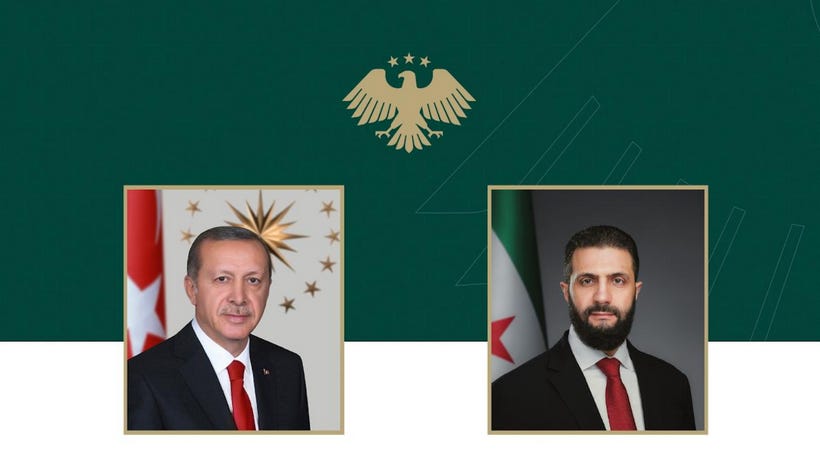
Additional regional participants, including Qatar and France, participated in diplomatic discussions centered on reconstruction and counter-terrorism efforts. These exchanges indicate increasing international backing for Syria’s transition.
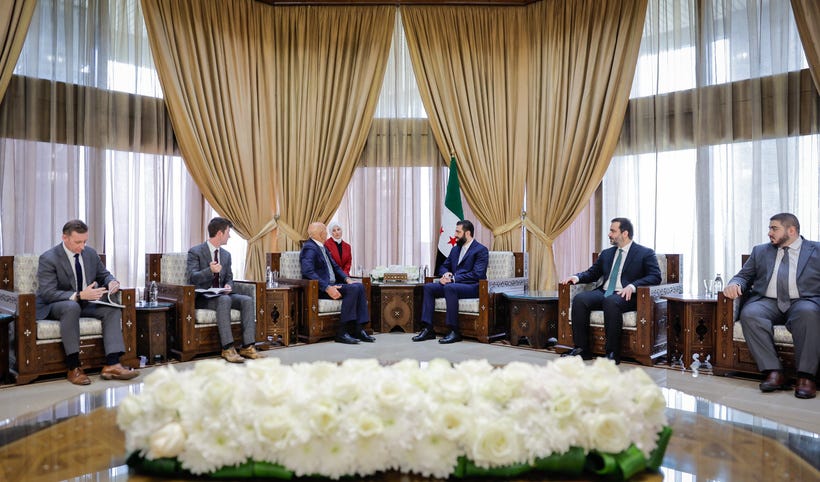
Influence on Counter-Terrorism in the Region
The agreement’s emphasis on continued coordination against ISIS through the U.S.-led International Coalition positions Syria as an active participant in regional counter-terrorism efforts. By integrating SDF forces into the national military structure, the pact consolidates resources and intelligence-sharing, potentially enhancing operational effectiveness against ISIS remnants in northeastern Syria.
This unification may reduce vulnerabilities in areas like Deir ez-Zor, where fragmented control previously allowed militant regrouping. However, challenges arise from the transition period, including security vetting and administrative handovers, which could temporarily disrupt patrols and surveillance.
The commitment to manage ISIS prisons and camps under central authority aims to prevent escapes or radicalization, though resource strains in implementation might pose risks. Overall, the framework supports sustained pressure on terrorist networks, contingent on seamless execution and international support.
Full Report & Analysis
The full report includes expert analysis and risk assessment.
Full Report & Analysis →