US Military Positioning in Middle East Signals Potential Iran Strike as Qatar Base Personnel Advised to Leave and Allies Urge Restraint

MIDDLE EAST - U.S. forces are confronting elevated threat conditions, with personnel at Al Udeid Air Base in Qatar advised to depart by the evening of January 14 amid warnings from Iran, which recalls the precautionary relocations undertaken before the strikes in June 2025 when aircraft were dispersed to bases in Saudi Arabia and the UAE to reduce vulnerability to retaliation.
Meanwhile, allies such as the UK, France, Saudi Arabia, the UAE, and Turkey are stressing the importance of diplomatic solutions, while Gulf states express concerns that any military action could lead to significant disruptions in oil markets and broader regional instability, though no major shifts in their own deployments have been observed beyond standard precautionary steps.
US Regional Assets and Adjustments
U.S. Central Command coordinates a comprehensive network of military assets across the Middle East, with Al Udeid Air Base in Qatar serving as a primary hub that accommodates around 10,000 personnel.
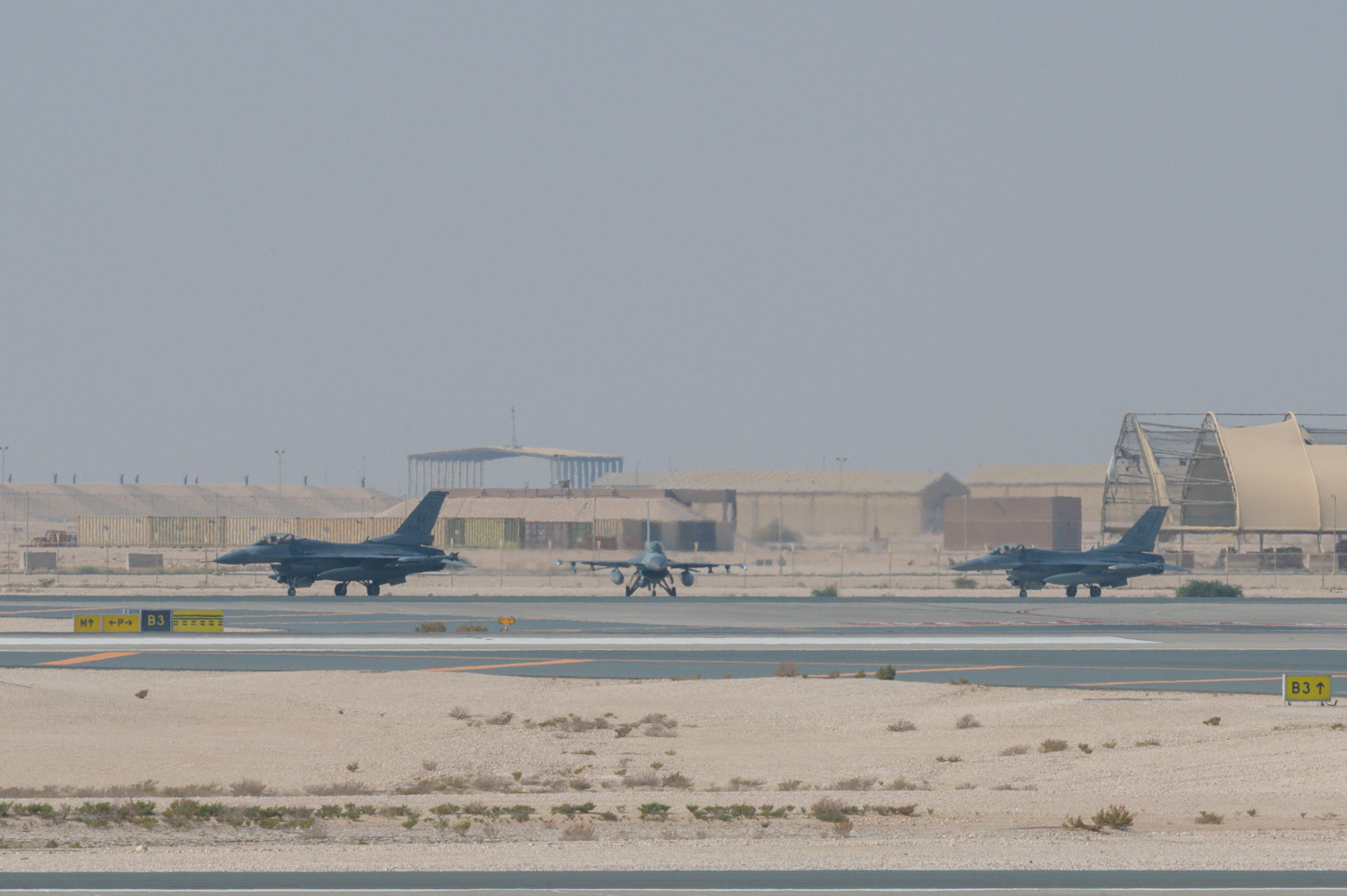
Other critical facilities encompass Naval Support Activity Bahrain, which houses the Fifth Fleet, and Al Dhafra Air Base in the UAE, where F-35 aircraft are stationed for advanced operations. In Iraq, bases like Ain al-Asad and Erbil function as key logistics centers, whereas Jordan’s Muwaffaq Salti Air Base supports rapid deployment and response efforts.
Recent open-source intelligence highlights increased activity involving C-17 transport aircraft at RAF Fairford in the UK, which likely positions them for potential support roles in the Middle East. Convoys have also been relocated from Ain al-Asad to At Tanf in Syria and Harir in Erbil, reflecting adjustments aimed at enhancing operational flexibility.
B-2 bombers remain stationed at Diego Garcia, keeping them within effective range for missions, although no aircraft carriers are currently deployed in the Gulf, with the USS Abraham Lincoln operating instead in the South China Sea.
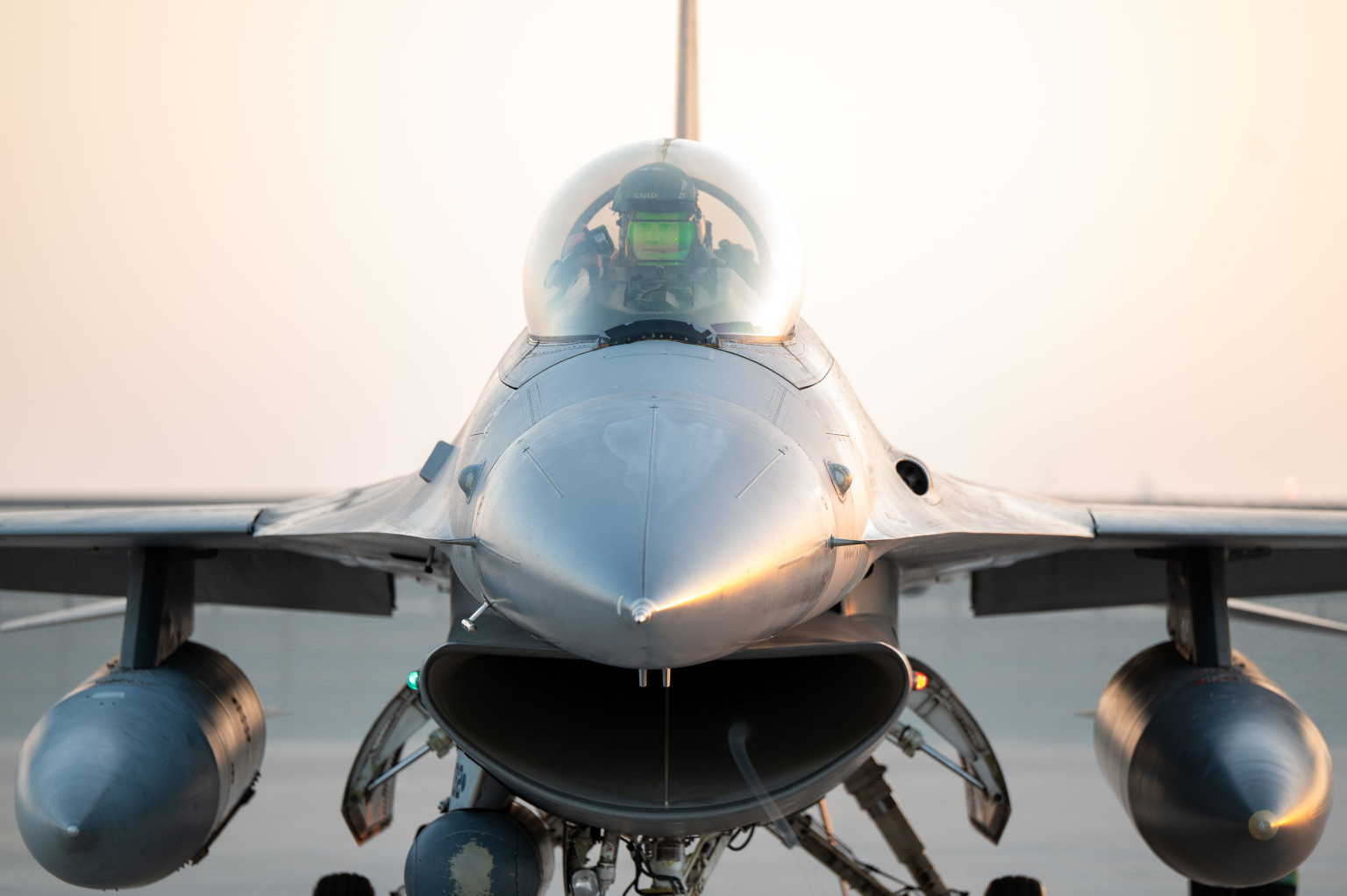
This overall setup emphasizes capabilities for precise, targeted strikes while seeking to limit direct exposure to adversarial actions.
The advisory at Al Udeid parallels measures taken in June 2025, when military assets were preemptively moved to locations in Saudi Arabia and the UAE ahead of Iran’s missile response, which ultimately resulted in only minor damage to infrastructure.
Although specific destinations for the current personnel movements have not been disclosed, historical patterns suggest dispersal to alternative sites such as Al Dhafra or Bahrain to maintain continuity and security. As a U.S. official confirmed, “some U.S. military personnel have been told to leave bases in the Middle East.”
New US-Led Air Defense Coordination Cell in Qatar
U.S. Central Command and regional partners have established a new coordination cell at Al Udeid Air Base in Qatar to strengthen integrated air and missile defense capabilities. Known as the Middle Eastern Air Defense - Combined Defense Operations Cell, this initiative is housed within the Combined Air Operations Center and involves personnel from the U.S. and partner nations.
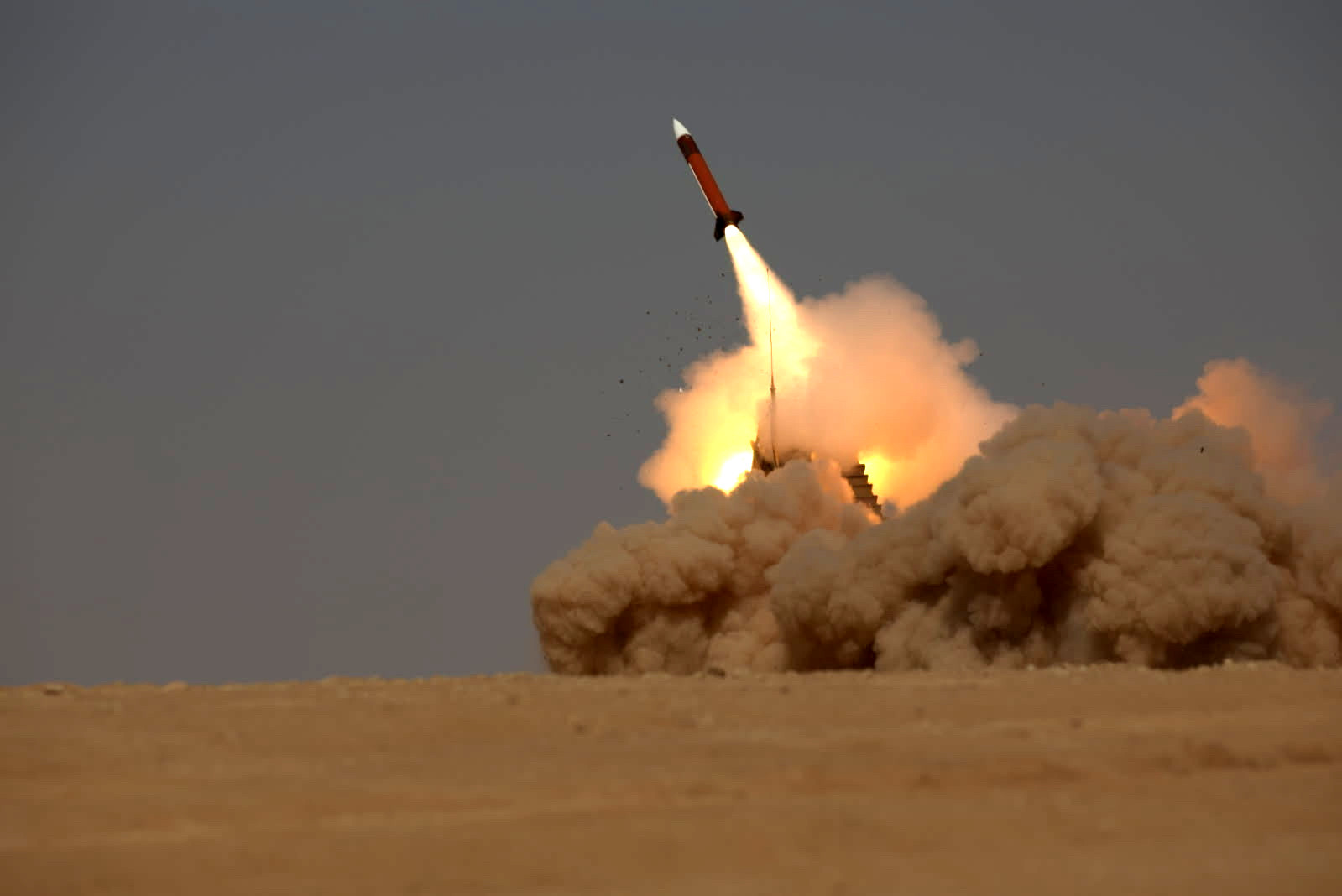
The Qatar-based operation, which has been in place for more than 20 years, now includes representatives from 17 countries who manage the coordination of military air assets throughout the Middle East.
The cell aims to improve collaboration and integration in air and missile defense among regional allies. Navy Adm. Brad Cooper, Centcom commander, described it as “a significant step forward in strengthening regional defense cooperation,” noting that it will enhance how forces share information and respond at the operational level.
U.S. Air Force Central members will collaborate with counterparts on drills, contingencies, and threat warnings. This development follows the creation of two bilateral command posts last year by U.S. Army Central in Bahrain, which serve as hubs for air defense planning and operations.
Allied Military Stances and Notices
Israel is preparing for possible U.S.-led initiatives, with the IDF maintaining a state of high alert to address various scenarios connected to Iran. Their efforts concentrate on managing multiple fronts, including the border with Lebanon, while closely tracking Iran’s efforts to rebuild its missile capabilities.
No fresh troop movements have been announced, but air defense systems are operating at increased readiness levels. Prime Minister Netanyahu has engaged in coordination with President Trump regarding potential strategic options.
The E3 group - comprising France, Germany, and the UK - has issued condemnations of the ongoing crackdown in Iran, calling for greater respect for human rights. No significant repositioning of forces has taken place among these nations; the UK continues its presence at facilities in Cyprus, and France maintains positions in the UAE.
Turkey’s Foreign Minister Hakan Fidan has held discussions with Iran’s Foreign Minister Abbas Araghchi focused on de-escalation measures. Turkey continues to interact with the U.S. on related matters, but no alterations to its military posture have been reported.
Saudi Arabia and the UAE have cautioned that military strikes carry substantial risks of widespread chaos and sharp increases in oil prices. Riyadh has explicitly stated that it will not permit the use of its airspace for such operations.
The UAE is participating in ongoing military exercises but places a priority on promoting calm in the region. Qatar, as the host of Al Udeid, remains particularly exposed in this context.
Both Oman and Egypt have advocated for restraint among all parties, with no indications of adjustments to their own military arrangements.
Full Report & Analysis
The full report includes expert analysis and risk assessment.
Full Report & Analysis →