IRGC Reasserts Hormuz Control After CENTCOM Strikes. Gulf States Condemn UAV Attacks
MIDDLE EAST — The Islamic Revolutionary Guard Corps (IRGC) on July 30 again claimed full control of the Strait of Hormuz and said two oil tankers that tried an unauthorized route turned back after a fire broke out on one of them.
The same day Kuwait and the United Arab Emirates condemned continued UAV attacks by Iran-affiliated militias operating from Iraqi territory against Saudi oil facilities in the Eastern Region.
No new Iranian ballistic launches against U.S. forces and no further CENTCOM strikes have been announced since the exchange that ended on July 29.
That exchange began on July 28 when IRGC forces fired multiple ballistic missiles at U.S. positions in the Middle East.
All were intercepted. CENTCOM answered the next evening with a heavy wave of strikes that started at 8 p.m. ET and finished at 10 p.m. ET, hitting dozens of IRGC command centers, missile and drone facilities, coastal surveillance sites, and maritime targets inside Iran.
On the same day as the missile launch, U.S. and Saudi aircraft struck IRGC-directed logistics and weapons sites in eastern Iraq after more than thirty drone attacks in the previous seventy-two hours.
CENTCOM says more than fifty thousand U.S. service members remain in the region and describes them as highly vigilant, focused, lethal, and ready.
As of July 29 the command had redirected twenty commercial vessels, disabled two, and boarded two under the naval blockade. More than twenty U.S. Navy warships are still operating in the theater.
The July 28 missile launch itself came five days after CENTCOM ended its thirteenth consecutive night of strikes against Iranian military targets.
Latest Developments
-
On July 30 the IRGC declared the Strait of Hormuz “our land” and claimed its navy has full control, saying two oil tankers turned back after a fire on one vessel.
-
Kuwait and the United Arab Emirates on July 30 condemned continued and renewed UAV attacks from Iraqi territory against Saudi oil facilities in the Eastern Region.
-
No further Iranian ballistic launches against U.S. forces and no additional CENTCOM strikes have been reported since the July 29 wave.
-
CENTCOM finished a heavy wave of strikes against dozens of IRGC targets inside Iran at 10 p.m. ET on July 29, including command centers, missile and drone facilities, coastal defense sites, and maritime targets.
-
U.S. forces began those strikes at 8 p.m. ET on July 29 in answer to the previous day’s Iranian missile attack.
-
At 5:45 p.m. ET on July 28 IRGC forces launched multiple ballistic missiles from Iran at U.S. forces in the Middle East; all were intercepted.
-
The IRGC Aerospace Force stated early on July 29 that it had targeted a U.S. air base and CENTCOM headquarters in Jordan with several ballistic missiles.
-
On July 28 U.S. and Saudi fighter aircraft struck multiple IRGC-directed logistics and weapons sites across eastern Iraq after more than thirty aerial drone attacks in the preceding seventy-two hours.
-
As of July 29 CENTCOM had redirected twenty commercial vessels, disabled two, and boarded two under the naval blockade of Iranian ports.
-
CENTCOM ended its thirteenth consecutive night of strikes against Iranian military targets on July 23, five days before the missile launch.
-
More than fifty thousand U.S. service members remain deployed across the Middle East; more than twenty U.S. Navy warships continue operating in the theater.
CENTCOM Strikes and the Iranian Missile Launch
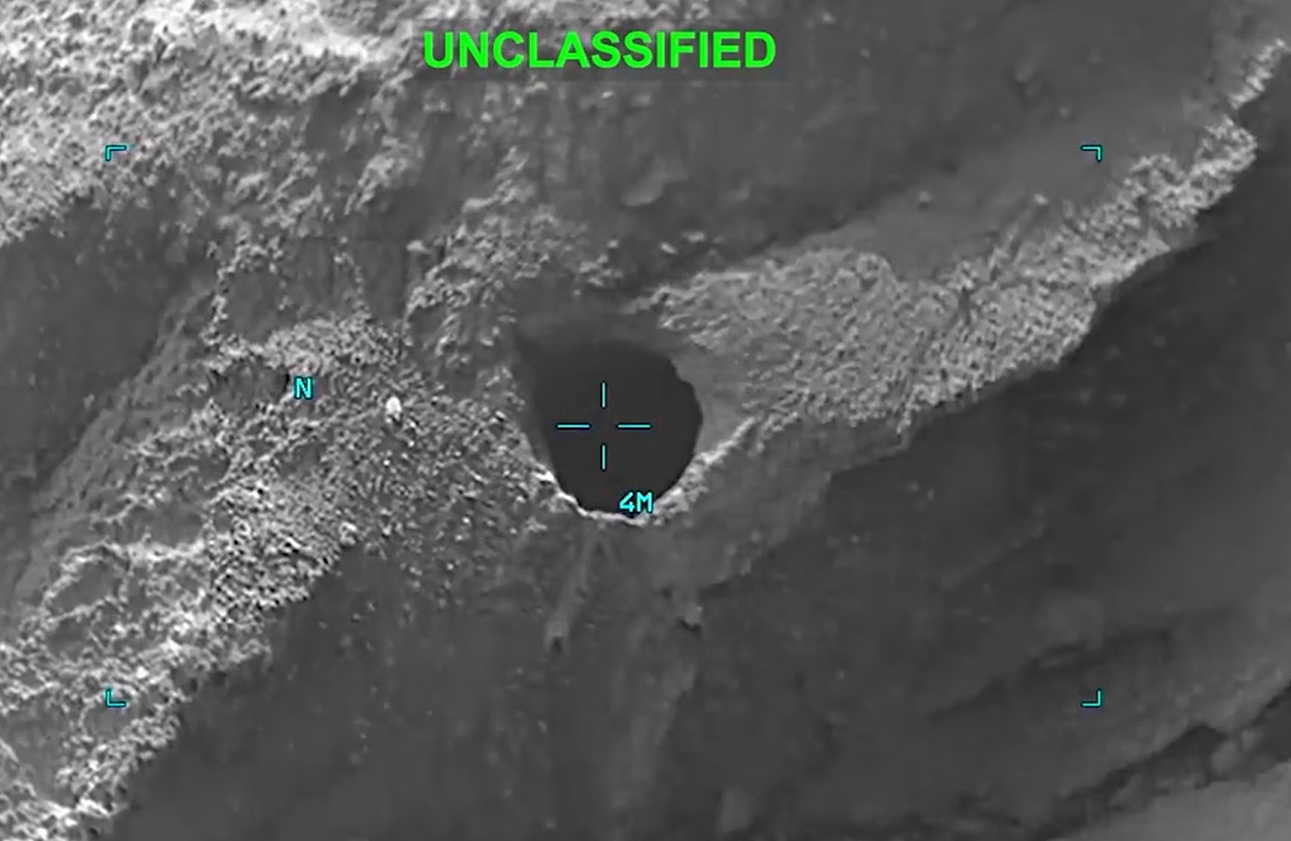
CENTCOM said its forces finished the heavy wave of strikes at 10 p.m. ET on July 29. The targets were dozens of IRGC sites inside Iran: military command centers, missile and drone facilities, coastal surveillance and defense sites, and maritime capabilities.
The command released unclassified video of night carrier flight-deck operations with F/A-18s launching under afterburner and later footage of ground and maritime targets hit by ordnance.
Earlier that evening CENTCOM reported that U.S. forces began the strikes at 8 p.m. ET and described them as the answer to the July 28 Iranian missile attack.
U.S. Force Posture and Naval Blockade
CENTCOM has repeatedly stated that more than fifty thousand U.S. service members are currently deployed to the Middle East.
The July 29 release repeated the figure and described the force as highly vigilant, focused, lethal, and ready.
Parallel messaging on July 28 and 29 documented ongoing maritime interdiction under the U.S. blockade of Iran, with more than twenty U.S. Navy warships operating across the region.
As of July 29 CENTCOM had redirected twenty commercial vessels, disabled two, and boarded two. Since early May the command has helped approximately one thousand vessels and five hundred million barrels of crude oil pass through the Strait of Hormuz.
CENTCOM continues to describe the Strait as an international waterway and states that the IRGC has no authority to dictate routes.
No FPCON change or carrier strike group repositioning was announced with the July 28–29 strikes.
The carrier flight-deck operations visible in the released video are consistent with continued naval aviation availability for both strike and defensive missions.
Official Statements
-
U.S. Central Command, July 29: “At 10 p.m. ET on July 29, U.S. Central Command (CENTCOM) forces successfully completed a heavy wave of strikes against Iran in response to yesterday’s attempted missile attacks on U.S. forces. CENTCOM assets struck dozens of Islamic Revolutionary Guard Corps (IRGC) targets in Iran, including military command centers, missile and drone facilities, coastal surveillance and defense sites, and maritime capabilities. The strikes aimed to further diminish threats posed by Iran and its proxies to American forces, commercial shipping, and neighboring Gulf countries. On July 28, IRGC forces launched multiple ballistic missiles from Iran in an attempted surprise attack on U.S. forces based in the Middle East. All Iranian missiles were successfully intercepted. More than 50,000 U.S. service members are currently deployed to the Middle East and remain highly vigilant, focused, lethal, and ready.”
-
U.S. Central Command, July 28: “At 5:45 p.m. ET today, Islamic Revolutionary Guard Corps forces launched multiple ballistic missiles from Iran in an attempted surprise attack on U.S. forces based in the Middle East. All Iranian missiles were successfully intercepted. U.S. forces remain vigilant and at a high state of readiness.”
-
U.S. Central Command, July 28: “U.S. Central Command and the Saudi Arabian Armed Forces conducted precision strikes in Iraq, July 28, against Iran-aligned terrorists that the Islamic Revolutionary Guard Corps (IRGC) directed to attack U.S. forces and Saudi energy infrastructure. U.S. and Saudi fighter aircraft struck multiple terrorist logistics and weapons sites across eastern Iraq in a strong response to over 30 IRGC-directed aerial drone attacks in the last 72 hours. The unwarranted attacks against U.S. forces were not successful. From February through April 2026, there were more than 600 attempted attacks on U.S. citizens and facilities by Iran-aligned terrorist militias in Iraq. The IRGC and its terrorist proxies must cease these attacks to avoid further U.S. military response.”
-
U.S. Central Command, July 29: “CENTCOM forces continue to strictly enforce the U.S. blockade against Iran. As of July 29 CENTCOM has redirected 20 commercial vessels, disabled 2, and boarded 2.”
-
U.S. Central Command, July 28: “There are more than 20 U.S. Navy warships operating across the Middle East supporting military missions, including strict enforcement of America’s steel wall blockade against Iran. As of July 28 CENTCOM has redirected 18 commercial vessels, disabled 2, and boarded 2 to ensure full compliance.”
-
U.S. Central Command, July 23: “U.S. Central Command (CENTCOM) forces successfully completed the 13th straight night of strikes against Iran, July 23, at 9 p.m. ET.”
-
Saudi Ministry of Defense Spokesperson Major General Turki Al-Malki, July 29: “Further to the two statements issued by the Ministry of Defense on July 27 and 28, 2026, announcing that Saudi air defenses had intercepted and destroyed several UAVs attempting to target oil facilities in Eastern and Riyadh regions and confirming that these terrorist attacks had originated from Iraqi territory and were carried out by Iran-backed terrorist militias, the Kingdom of Saudi Arabia had reaffirmed its inherent right to defend itself and its national assets while reserving the right to respond at the time and place of its choosing. Pursuant to the right of self-defense, as recognized under Article 51 of the Charter of the United Nations, the Saudi Armed Forces, in coordination with the United States Central Command, conducted precision strikes today, Wednesday, July 29, 2026, against specific targets belonging to those militias in the Republic of Iraq that were linked to the attacks on the Kingdom’s oil facilities. The Kingdom of Saudi Arabia reiterates that it does not seek escalation but will respond decisively to any aggression directed against it.”
-
IRGC, July 30: “The Strait of Hormuz is our land, and the IRGC’s navy sailors have full control over it, and a stranger who has come from thousands of kilometres away will not be allowed to interfere.”
-
IRGC Aerospace Force, via Iranian state-run IRNA, July 29: “The brave combatants of the IRGC Aerospace Force targeted the US air base and the CENTCOM headquarters of the US military in Jordan with several ballistic missiles... Threats by US officials and illegal interventions against our interests must stop.”
-
United Arab Emirates, July 30: “The United Arab Emirates strongly condemned the renewed UAV attacks from Iraqi territory targeting oil facilities in the Kingdom of Saudi Arabia’s Eastern Region.”
-
Kuwait, July 30: “Kuwait strongly condemned the continued attacks targeting the Kingdom of Saudi Arabia by Iran-affiliated militias in Iraq.”
Full Report & Analysis
The full report includes expert analysis and risk assessment.
Full Report & Analysis →