U.S. and Iran Extend Reciprocal Strike Pause, Trump Denies Munitions Depletion Claims
MIDDLE EAST — The reciprocal pause in U.S. and Iranian strikes has continued into additional nights with no new U.S. Central Command strike-completion announcement after the July 23 statement that forces had finished the 13th consecutive night of operations.
U.S. Ambassador to the United Nations Mike Waltz described the pause as giving diplomacy “some space” and “a little bit of time,” while noting that U.S. forces remain “locked and loaded.”
President Trump rejected reports of munitions shortages, stating, “We have far more munitions than anyone in the world, and far more than we need.” No full White House transcript has been released.
Iran Halts Retaliatory Attacks After U.S. Stops Strikes
On July 26 Iranian army spokesman Mohammad Akraminia stated that Iran halted its retaliatory attacks after the United States stopped strikes for the prior two nights.
Syrian state news agency SANA reported the same day that Israeli forces fired four artillery shells near Taranja village in northern Quneitra countryside and advanced into villages in the Yarmouk Basin of western Daraa with vehicles and a bulldozer while distributing leaflets.
SANA also reported a prior Israeli force of five vehicles including two tanks entered the al-Duraiyat hill near Al-Mu’allaqa in Quneitra on July 24.
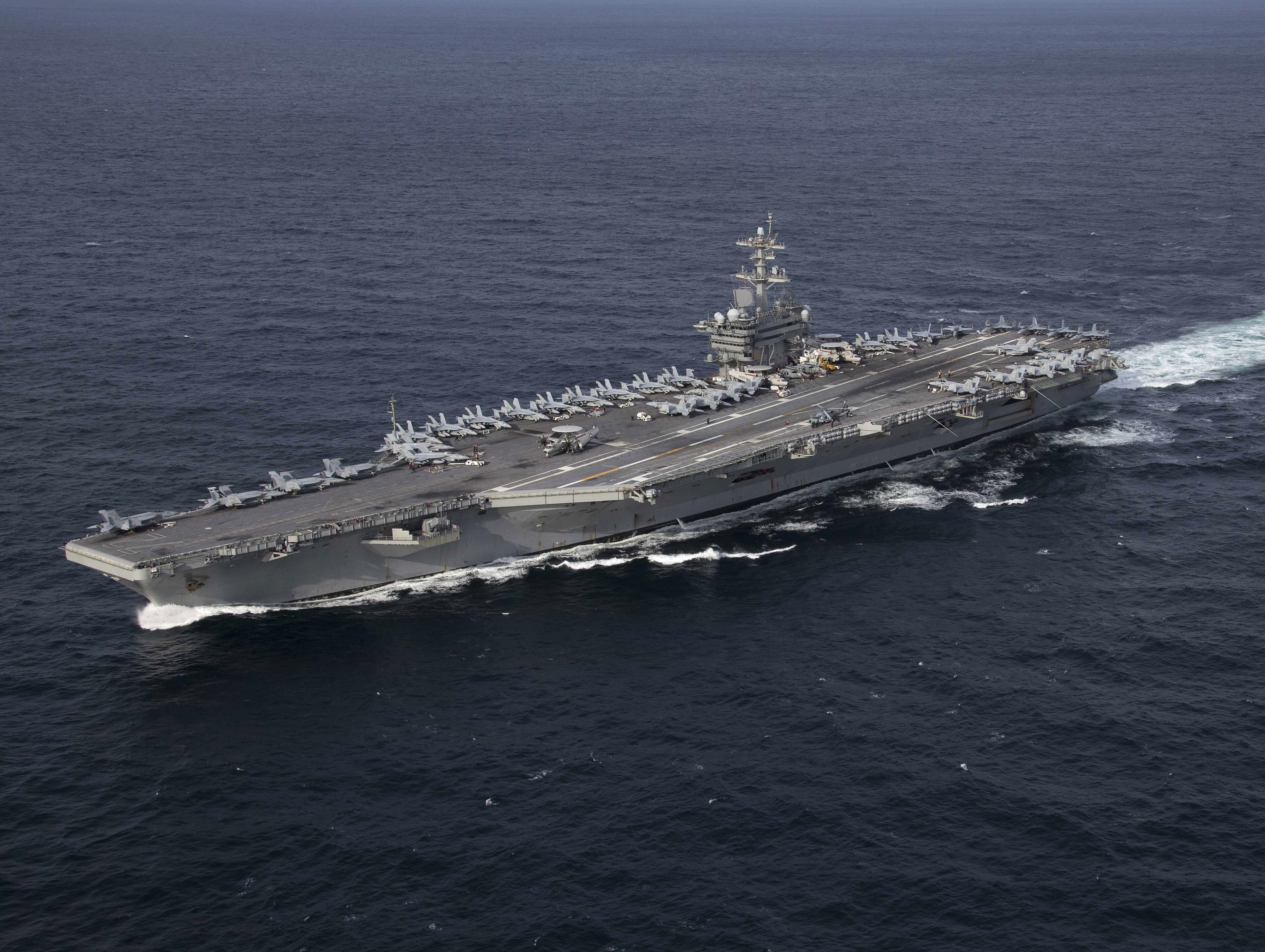
U.S. Central Command stated on July 25 that the naval blockade against Iran remained in full effect, with 12 commercial vessels redirected, two disabled, and two boarded. Specific actions included boarding of the Comoros-flagged M/T Charminar and disabling of the Mozambique-flagged M/T Lavine.
UN Secretary-General António Guterres held a press conference in Damascus on July 26. According to SANA, he stated that violations of Syria’s sovereignty are unacceptable and that Israel must comply with the 1974 Disengagement Agreement.
On July 24, before the reciprocal halt, Iranian forces claimed drone and missile operations against U.S. military facilities in Bahrain, Jordan, and Kuwait. Jordanian Armed Forces announced interception of seven missiles and six drones that day, with no casualties or damage reported.
Global Threat Assessment
Threat Level: ELEVATED
The reciprocal kinetic pause has now extended beyond the initial two nights reported on July 26, with no further U.S. Central Command strike announcements.
Diplomatic framing by the U.S. ambassador to the United Nations and a presidential denial of munitions shortages form the newest public elements.
Israeli ground and artillery activity in southern Syria reported by Syrian state media remains a separate track without confirmed Iranian or proxy kinetic response. Naval blockade enforcement continues in parallel.
Bottom line: The absence of new strike-completion statements after July 23 marks a sustained break in the prior daily pattern. Iranian army statements conditioned the halt on continued U.S. restraint.
U.S. officials have publicly described the pause as creating room for diplomacy while rejecting claims of inadequate munitions. Southern Syria incidents and the maritime blockade remain active but operationally distinct in primary reporting.
U.S. Strikes Pause Continues Beyond Initial Two Nights
U.S. Central Command stated on July 23 that its forces completed the 13th consecutive night of strikes at 9 p.m. ET. Targets included Iranian military command centers, drone storage facilities, communication networks, coastal surveillance sites, and maritime capabilities.
The stated purpose was to further diminish the threat Iran poses to civilian mariners and commercial vessels transiting the Strait of Hormuz.
No subsequent strike-completion statements have appeared from U.S. Central Command. On July 25 CENTCOM stated the naval blockade remained in full effect, noting that forces had redirected 12 commercial vessels, disabled two, and boarded two.
Specific actions included verification boarding of the Comoros-flagged M/T Charminar in the Arabian Sea and disabling of the Mozambique-flagged M/T Lavine in the Gulf of Oman on July 24 after repeated non-compliance.
U.S. Ambassador to the United Nations Mike Waltz stated that the pause is giving diplomacy “some space” and “a little bit of time.” President Trump rejected reports of munitions shortages, stating, “We have far more munitions than anyone in the world, and far more than we need.”
Iranian Army Links Halt to U.S. Pause
Iranian army spokesman Mohammad Akraminia stated on July 26 that Iran halted its retaliatory attacks after the United States stopped strikes for the prior two nights.
He said, “Americans stopped their attacks over the past two nights. Since our strategy has been entirely retaliatory, we also stopped our retaliatory operations.”
Akraminia described Tehran’s strategy as retaliatory and said operations were paused once U.S. attacks ceased. He also stated that new fronts would open if attacks resumed.
In additional remarks, Akraminia stated that Tehran’s retaliatory operations forced Washington to revisit its regional strategy and that coordinated Army and Islamic Revolutionary Guard Corps operations against U.S. positions in Kuwait, Qatar, and Erbil had brought U.S. regional strategy to a halt.
He said, “Iran inflicted serious damage to US bases, and a large portion of these bases are no longer operationally functional, especially in Erbil, Iraq, where nearly all US infrastructure has been destroyed.” He linked the earlier phase to a U.S. attempt to establish an illegal shipping route through the Strait of Hormuz in violation of a Memorandum of Understanding.
No new Iranian claim of retaliatory strikes against U.S. or allied facilities has appeared after the stated halt. Iranian state media reported on July 26 that the Islamic Revolutionary Guard Corps Navy stopped six vessels over the prior 24 hours for unauthorized routes.
Official Statements
-
U.S. Central Command, July 23: “U.S. Central Command (CENTCOM) forces successfully completed the 13th straight night of strikes against Iran, July 23, at 9 p.m. ET. CENTCOM targeted Iranian military command centers, drone storage facilities, communication networks, coastal surveillance sites, and maritime capabilities to further diminish the threat Iran poses to civilian mariners and commercial vessels transiting the Strait of Hormuz.”
-
U.S. Central Command, July 25: “The U.S. naval blockade against Iran remains in full effect. As of July 25, CENTCOM has redirected 12 commercial vessels trying to run the blockade, disabled 2 that didn’t comply, and boarded 2 to ensure total compliance. Earlier today, U.S. forces completed a verification boarding aboard Comoros-flagged M/T Charminar in the Arabian Sea, and the tanker is now continuing its journey. CENTCOM forces disabled Mozambique-flagged M/T Lavine in the Gulf of Oman, July 24, after the crew attempted to violate the blockade multiple times and ignored repeated warnings. The ship is no longer transiting to Iran.”
-
Iranian Army Spokesman Mohammad Akraminia, July 26: “Americans stopped their attacks over the past two nights. Since our strategy has been entirely retaliatory, we also stopped our retaliatory operations.”
-
Iranian Army Spokesman Mohammad Akraminia, July 26 (via Fars): “Tehran’s retaliatory operations against the United States forced Washington to revisit its regional strategy. Coordinated operations by the Army and the Islamic Revolution Guard Corps (IRGC), including airstrikes, missile attacks, and drone operations against US positions in Kuwait, Qatar, and Erbil, Iraq, have brought Washington’s regional strategy to a halt and forced it to alter its strategic policies.”
-
Iranian Army Spokesman Mohammad Akraminia, July 26 (via IRNA): “Iran inflicted serious damage to US bases, and a large portion of these bases are no longer operationally functional, especially in Erbil, Iraq, where nearly all US infrastructure has been destroyed.”
-
Syrian Arab News Agency, July 26: “Israeli occupation forces fired four artillery shells targeting agricultural land surrounding Taranja village in the northern Quneitra countryside, with no casualties or material damage reported. Earlier on Sunday, Israeli occupation forces advanced into the villages of Maariya and al-Aridah in the Yarmouk Basin area of western Daraa countryside with a force comprising three military vehicles and a bulldozer. The forces established a military checkpoint inside al-Aridah village and distributed leaflets warning residents against blocking roads or obstructing the movement of military vehicles. No clashes or arrests were reported.”
-
Syrian Arab News Agency, July 24: “An Israeli occupation military force consisting of five military vehicles, including two tanks, carried out an incursion into the al-Duraiyat hill in the vicinity of Al-Mu’allaqa village in Quneitra governorate. This breach follows another incident on Friday when an Israeli occupation force stormed into Wadi al-Raqad in the Yarmouk Basin area of western Daraa countryside on Friday, setting up a checkpoint before withdrawing.”
-
UN Secretary-General António Guterres, July 26 (via SANA): “We reaffirm that violations of Syria’s sovereignty are unacceptable, and Israel must comply with the 1974 Disengagement Agreement.”
-
UN Secretary-General António Guterres, July 26 (via SANA): “Violations by Israel of the 1974 Disengagement of Forces Agreement are unacceptable and must stop.”
Full Report & Analysis
The full report includes expert analysis and risk assessment.
Full Report & Analysis →