CENTCOM Completes 13th Night of Strikes on Iranian Targets
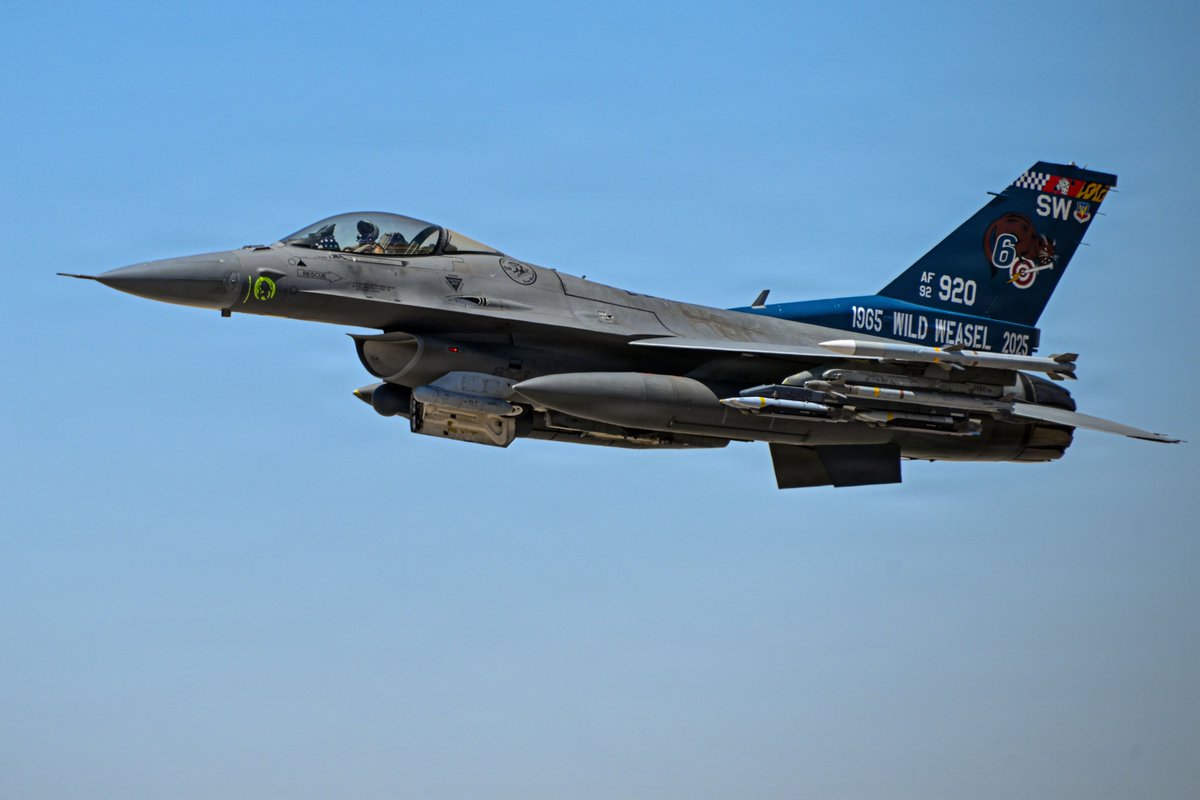
MIDDLE EAST — U.S. Central Command started the 13th consecutive night of strikes against Iranian military targets at 6:45 p.m. ET on July 23 and completed them at 9 p.m. ET the same day.
U.S. forces targeted Iranian military command centers, drone storage facilities, communication networks, coastal surveillance sites, and maritime capabilities.
The command stated the strikes further diminish the threat Iran poses to civilian mariners and commercial vessels transiting the Strait of Hormuz.
CENTCOM reported that the international waterway remains open for transit despite recent attacks from Iran’s Islamic Revolutionary Guard Corps, and commercial vessels continue to freely navigate the strait with U.S. military support.
On July 23, CENTCOM also reported that since resuming the naval blockade against Iran nine days earlier, it has redirected 12 commercial vessels and disabled one to prevent ships from entering or leaving Iranian ports or coastal areas.
Iranian state-run media reported on July 23 that U.S. attacks targeted several locations across Iran, including the passenger terminal at the Shalamcheh border crossing in Khuzestan Province, where two people were killed and 11 injured according to the province’s deputy governor for security and law enforcement affairs.
Additional reported strike locations included areas near Andimeshk, Ahvaz, and Ramshir in Khuzestan, an area in Kiar County in Chaharmahal and Bakhtiari Province with no casualties reported, and two maritime search-and-rescue vessels in Hormuzgan Province.
The Islamic Revolutionary Guard Corps stated on July 23 that it conducted a retaliatory strike against Camp Udairi (also referred to as al-Adiri) in Kuwait in response to the reported strike on the Shalamcheh border crossing, which the IRGC described as a route used by Arbaeen pilgrims.
The IRGC said the operation destroyed a specialized U.S. electronic warfare unit, caused multiple casualties among personnel, and damaged the base’s flight control tower.
The statement identified the action as the 26th wave of Operation Nasr 2 and the 46th statement of the campaign. Iranian Army statements on the same day claimed drone strikes against U.S. positions at bases in Kuwait.
Blockade Metrics Updated on July 23
CENTCOM stated on July 23 that since resuming the naval blockade against Iran nine days earlier, the command has redirected 12 commercial vessels and disabled one to prevent ships from entering or leaving Iranian ports or coastal areas.
This figure is higher than the nine redirected and one disabled reported the previous day. Commercial vessel transits through the Strait of Hormuz continue with U.S. military support, according to the same July 23 release.
UKMTO issued Warning 095-26 on July 22 reporting an attack in the region, advising vessels to exercise caution.
Force Posture on July 23
CENTCOM restated on July 23 that more than 50,000 U.S. service members are currently operating across the Middle East. The figure appears in both the strike-start and strike-completion statements issued that day.
Official Statements
-
United Kingdom Maritime Trade Operations Warning 095-26, July 22: “UKMTO has received a report of an incident 70NM southwest of AL SHUQAIQ, Saudi Arabia. The Master of a tanker reports being struck by an unknown projectile which has caused a fire onboard that the crew are currently fighting.”
-
Saudi Transport General Authority official source via Saudi Press Agency, July 23: “These attacks constitute a violation of international laws and conventions that guarantee the safety of commercial vessels and their crews.”
-
Yemeni Armed Forces (Sanaa) statement via Yemen Press Agency, July 23: “Within the context of breaking the unjust and oppressive siege imposed by the Saudi enemy on our dear people for twelve years, and in affirmation of the equation of ‘siege for a siege,’ and in confirmation of the right of our great people to confront Saudi-American injustice and tyranny and to reclaim their wealth and legitimate rights. The Yemeni Armed Forces carried out a qualitative military operation targeting two Saudi oil tankers that violated the blockade imposed by the Armed Forces in the Red Sea. One tanker was named ‘ENCELIA’ and the other is ‘LAYLA.’ The operation was carried out by a number of ballistic and cruise missiles, as well as drones. The strikes were precise, thanks to Allah’s grace and assistance, and resulted in a large fire broke out on both vessels. In the same context, the Yemeni Armed Forces forced approximately ten ships to retreat and return. The Armed Forces will continue their naval operations against the Saudi enemy and will persist in enforcing the ‘A siege for a siege’ equation.”
-
U.S. Central Command, July 23: “TAMPA, Fla. — At 10:30 p.m. ET on July 22, U.S. Central Command (CENTCOM) forces completed another round of strikes against Iran for the 12th consecutive night. U.S. forces struck Iranian military targets including maritime capabilities, missile and drone storage facilities, coastal surveillance sites, and air defense assets. The strikes further degrade Iran’s ability to attack civilian mariners and commercial vessels. This month, American forces have targeted dozens of Iranian military sites on land while resuming a blockade against Iran at sea. As of today, CENTCOM has redirected nine commercial vessels and disabled one to prevent ships from entering or departing Iranian ports. More than 50,000 U.S. service members are operating across the Middle East and remain highly vigilant, focused, lethal, and ready.”
Full Report & Analysis
The full report includes expert analysis and risk assessment.
Full Report & Analysis →