US-Israeli Strikes Hit Iranian Military and Leadership Sites as Tehran Retaliates with Missiles
MIDDLE EAST - US and Israeli forces conducted airstrikes on Iranian targets February 28, including leadership compounds in Tehran and military facilities across multiple cities. Israeli officials stated Supreme Leader Ayatollah Ali Khamenei was killed, with his body recovered, while Iranian Foreign Minister Abbas Araghchi denied the claim.
Iran responded with missile launches toward Israel and US bases in the Gulf region. Explosions occurred in Tehran near government structures, with satellite imagery from Planet Labs showing damage to associated buildings.
US President Donald Trump stated the action addressed security threats, without specifying targets. Iranian state media claimed hits on civilian areas, including schools. Seismic data from NORSAR and CTBTO independently verified the strikes occurred; no independent source has verified the leadership casualty claims.
Protests occurred in some Iranian cities after the strikes. Regional allies condemned the attacks. International bodies urged de-escalation. UN Secretary-General António Guterres condemned the military escalation and called for an immediate cessation of hostilities.
Bahrain, Qatar, UAE, Kuwait, Saudi Arabia, and Jordan reported intercepting projectiles over their territories.
Airstrike Operations and Damage Reports
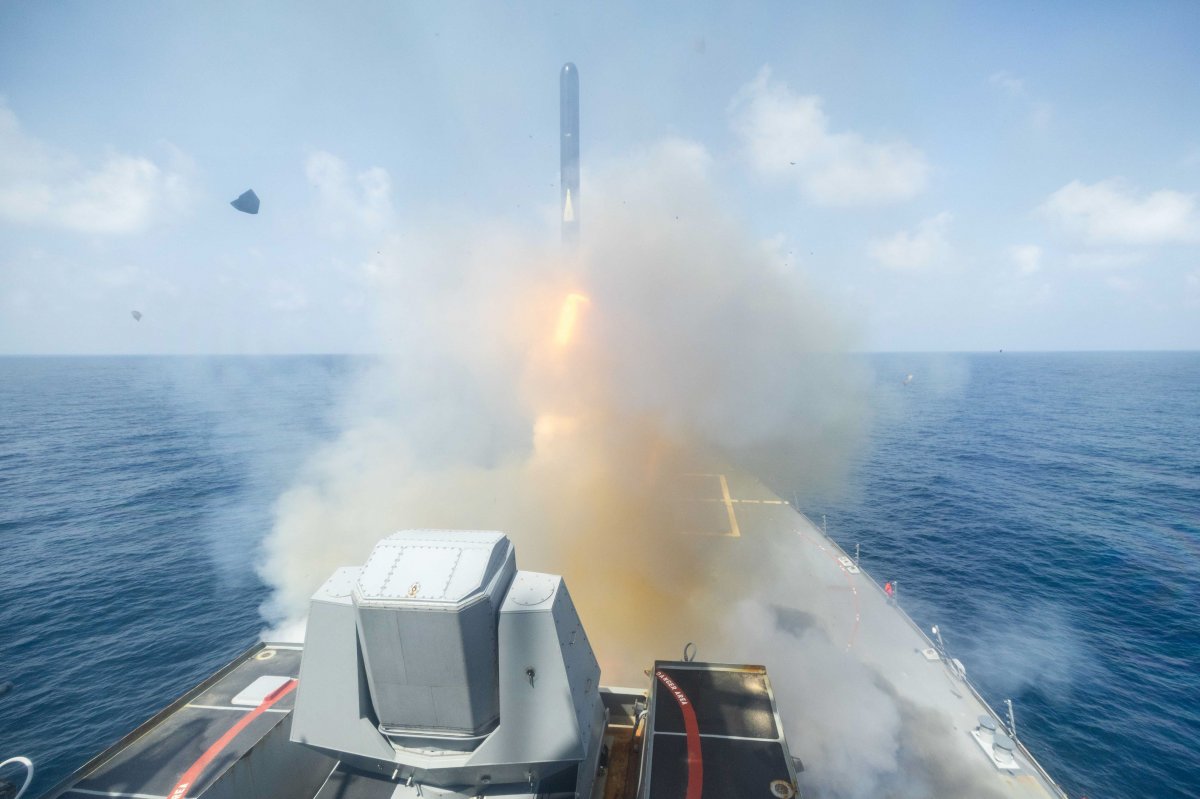
US and Israeli forces used fighter jets and Tomahawk cruise missiles, targeting air defense radars and missile production sites such as Khojir Complex and Parchin Military Complex’s Taleghan 2 facility.
Strikes affected underground bunker complexes at Khojir and Parchin, with craters visible in Maxar satellite imagery. Israeli sources mentioned recoveries from debris. Iranian reports noted impacts on Minab military facilities, leading to collapses.
Red Crescent recorded injuries from debris. Seismic data from NORSAR and CTBTO registered events consistent with airstrikes.
Gulf airspaces saw closures, with restrictions issued for the Tehran FIR. ADS-B tracking showed military aircraft movements over the region, while Flightradar24 data indicated civilian diversions during the operation.
Assessment: Strikes on S-300 radar systems reduced coverage in western Iran, allowing subsequent waves. Damage to civilian zones in Minab led to displacement and hospital capacity strain per Red Crescent reports. Seismic readings from NORSAR and CTBTO stations registered events at multiple depths, consistent with bunker-penetrating munitions.
Iranian Missile Launches
Iran launched ballistic missiles, including Fattah hypersonic and Emad variants, toward northern Israel, intercepted by Israeli missile defense systems over Haifa. Fragments led to fires in residential neighborhoods of northern Haifa.
Iranian media claimed impacts on Israeli military bases, without specifying which installations. Projectiles also went toward US sites in Bahrain and Qatar, downed by Patriot batteries. No damage occurred at Al Udeid Air Base.
Houthi forces in Yemen claimed attacks on Israeli ports, though execution on February 28 remains unconfirmed. Alerts activated across Israel. Flightradar24 data showed diversions during events.
Assessment: Launch paths matched June 2025 exchanges, with interception data from Israeli missile defense systems over Haifa and Patriot at Al Udeid. Multi-country missile targeting forced Bahrain, Qatar, and Kuwait to activate Patriot batteries and shift from passive to active air defense posture. ADS-B tanker data indicates operations sustained over 48 hours, pointing to prolonged engagement.
Claims on Leadership Casualties
Israeli officials stated strikes reached compounds for senior figures, with reports of debris recoveries. Netanyahu stated, “There are increasing signs that Khamenei is no more,” while Trump wrote on Truth Social that Khamenei was “one of the most evil people in History” and declared him dead.
In a separate phone call with NBC, Trump stated “The people that make all the decisions, most of them are gone.” Iranian Foreign Minister Araghchi stated officials faced no harm. State outlets emphasized continuity without naming people.
Celebrations appeared in parts of Tehran. Assembly of Experts showed no activity. IRGC Quds Force units stayed on alert. Communications remained consistent across IRGC Telegram channels, state TV (IRIB), and IRNA.
Assessment: Personnel loss claims link to visual reviews from strikes, but lack confirmation. Reactions in Tehran point to divisions between celebrations and government loyalty, with patterns from the 2009 Green Movement and January 2020 Soleimani killing response. Monitoring OSINT radio frequencies and social media geolocation would show disruption indicators like command delays.
Official Statements
Israeli Official, February 28: “Khamenei is dead, his body has been found.”
Benjamin Netanyahu, February 28: “There are increasing signs that Khamenei is no more.”
Donald Trump, February 28: “Khamenei, one of the most evil people in History, is dead.”
Abbas Araghchi, February 28: “As far as I know, Khamenei is still alive.”
Israel Katz, February 28: “The State of Israel launched a pre-emptive attack against Iran to remove threats.”
Full Report & Analysis
The full report includes expert analysis and risk assessment.
Full Report & Analysis →