U.S. Military High-Energy Laser System Accidentally Downs CBP Drone Near Fort Hancock, Texas, Prompting FAA Airspace Closure
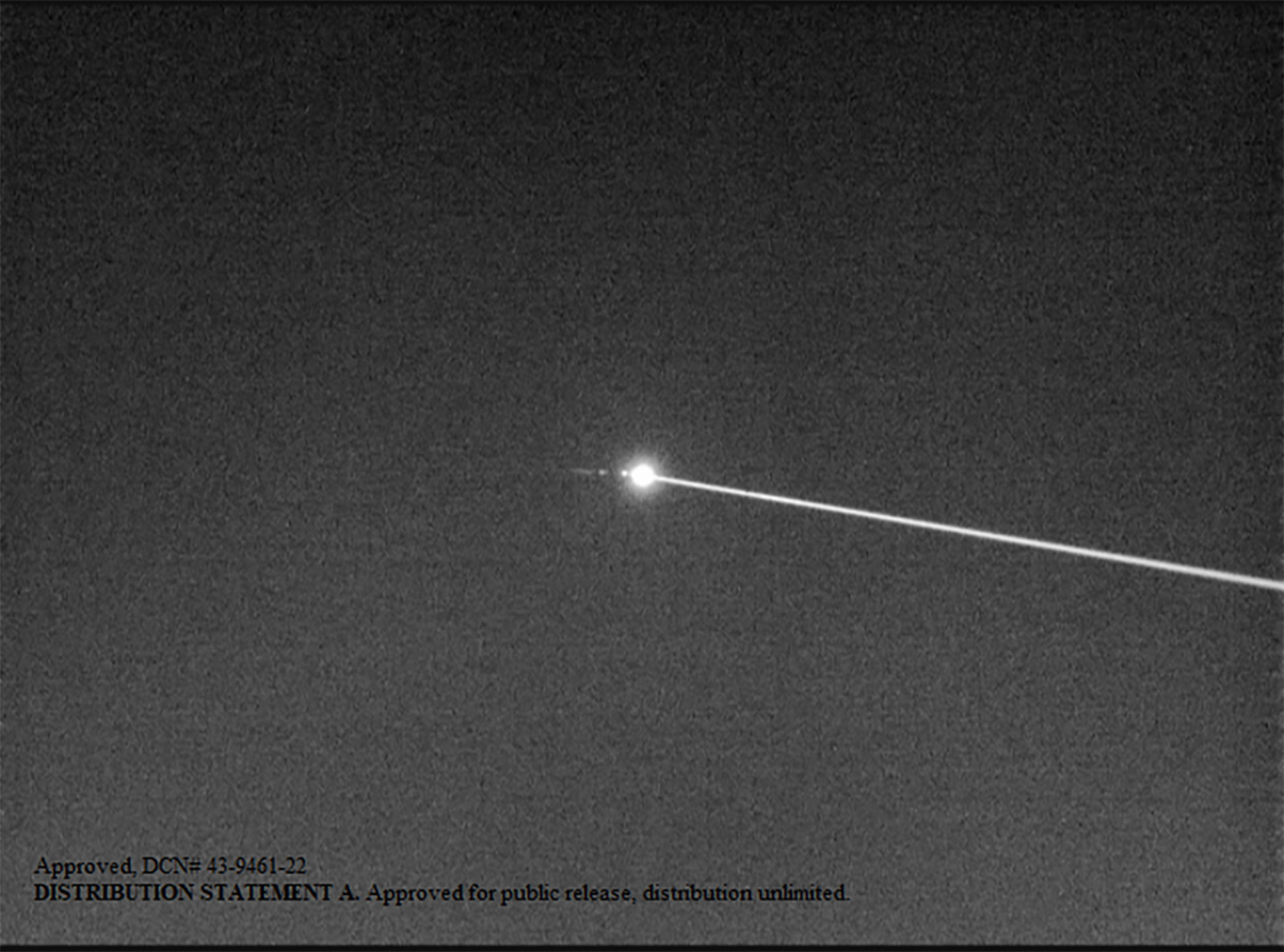
Credit: No footage was available of this incident, featured image depicts a shootdown of a target Drone During High Energy Laser Engagement in 2022.
SOUTHWEST BORDER - The U.S. military employed a high-energy laser-based counter-unmanned aircraft system that accidentally shot down a U.S. Customs and Border Protection drone in the vicinity of Fort Hancock, Texas, on February 26.
Congressional aides briefed on the matter stated the incident occurred in an area frequently used by drug-cartel drones crossing from Mexico.
The Federal Aviation Administration responded by issuing a Temporary Flight Restriction that bars all flights in the expanded Fort Hancock airspace, citing special security reasons.
The closure does not affect commercial flights at nearby El Paso International Airport. This marks the second such laser-related airspace disruption in Texas this month.
Incident Details and Operational Context
The Pentagon did not issue an immediate public comment. Congressional aides told reporters the military believed the CBP drone was a threat and engaged it with the laser system without prior coordination with the FAA.
CBP has deployed the same laser technology domestically this month to neutralize at least four suspected cartel drones, despite prior FAA warnings that the system had not been certified safe for use near commercial airspace.
The laser had never been employed domestically before the recent incidents, according to aides familiar with the briefings.
Fort Hancock lies approximately 50 miles (80 kilometers) southeast of El Paso along the U.S.-Mexico border, a corridor known for frequent low-altitude drone incursions by smuggling networks.
Assessment: The deployment reveals a clear tension between the operational urgency of countering cartel drone threats and the absence of fully certified protocols for high-energy laser systems in shared domestic airspace. While the technology has shown effectiveness in neutralizing targets, the lack of pre-engagement coordination with civilian aviation authorities increases the risk of unintended operational overlaps. This pattern suggests that accelerated fielding of directed-energy weapons may outpace inter-agency safety frameworks, potentially requiring immediate standardized training and deconfliction procedures to avoid further incidents.
FAA Temporary Flight Restriction and Safety Measures
The FAA issued a SECURITY-designated Temporary Flight Restriction for Fort Hancock, Texas, effective from February 26. The restriction prohibits all aircraft operations in the defined airspace but explicitly permits air ambulance and search-and-rescue flights with prior authorization from Joint Task Force-Southern Border.
The FAA stated the closure was expanded to a greater radius to ensure safety. No commercial flights were impacted due to the remote location of the TFR.
Assessment: This TFR sets a notable precedent for extended airspace closures in response to directed-energy testing along the border. Unlike the brief El Paso shutdown that was reversed within hours, the Fort Hancock restriction indicates a more conservative FAA posture once a laser-related incident has occurred. This approach may become standard in high-threat corridors where repeated drone activity justifies sustained protective measures, but it also raises questions about balancing security needs with minimal disruption to general aviation.
Congressional Reactions and Coordination Concerns
Top Democrats on the House Transportation and Infrastructure and Homeland Security committees - Representatives Rick Larsen, Bennie Thompson, and Andre Carson - issued a joint statement expressing alarm over the apparent lack of inter-agency coordination.
The lawmakers had previously warned that bypassing a bipartisan proposal to establish standardized training and protocols for counter-drone operations was shortsighted.
Representatives Larsen, Thompson, and Carson stated their heads are exploding over the news, calling the incident the result of incompetence in a joint statement. They called for immediate briefings and corrective action.
Full Report & Analysis
The full report includes expert analysis and risk assessment.
Full Report & Analysis →