U.S. Southern Command Directs Lethal Kinetic Strikes on Vessels Linked to Designated Terrorist Organizations in Caribbean and Eastern Pacific
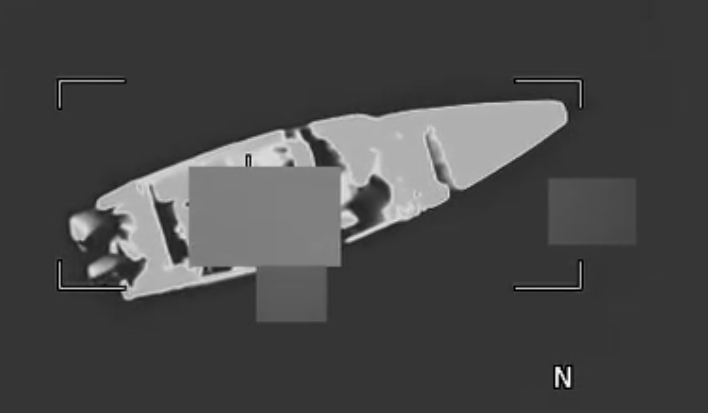
CARIBBEAN - U.S. Southern Command directed a lethal kinetic strike on February 23 against a vessel operated by designated terrorist organizations transiting known narco-trafficking routes.
On February 23, SOUTHCOM directed a lethal kinetic strike in the Caribbean, while a separate strike on February 20 targeted a vessel in the Eastern Pacific. According to the Command, intelligence confirmed that the vessel targeted in the most recent strike involved active engagement in narco-trafficking.
Joint Task Force Southern Spear executed the action at the direction of the commander. Three males were killed. No U.S. military forces sustained injuries.
The strike follows an identical operation on February 20 in the Eastern Pacific, where the same task force neutralized another vessel under matching conditions.
These actions occur within a series of interdictions conducted by the command in recent weeks.
February 23 Caribbean Strike
On February 23, Joint Task Force Southern Spear conducted the strike in the Caribbean. The vessel transited known narco-trafficking routes and participated in operations. Three males died during the engagement. No U.S. military forces sustained injuries.
Assessment: The strike removed one vessel from active transit on a documented route and eliminated three individuals from trafficking activity. Subsequent vessel tracking data in the area would provide measurable signals of any immediate network repositioning or changes in route usage.
February 20 Eastern Pacific Strike
On February 20, Joint Task Force Southern Spear conducted the strike in the Eastern Pacific against a vessel operated by designated terrorist organizations. The vessel transited known routes and engaged in operations. Three males died. No U.S. military forces sustained injuries.
Assessment: The Eastern Pacific strike preceded the Caribbean action by three days, creating a compressed sequence across theaters. Transit volume data along comparable routes would offer observable indicators of any resulting shifts in network timing or volume.
Interdiction Pattern Across Theaters
The February 23 Caribbean and February 20 Eastern Pacific strikes share identical operational elements: targeting of vessels linked to designated terrorist organizations, confirmation of narco-trafficking activity on known routes, three males killed per action, and no U.S. casualties. The command has conducted multiple similar strikes in recent weeks.
Assessment: The consistent outcomes and short interval demonstrate maintained capacity for rapid response in separate maritime areas. Monitoring of commercial vessel tracking and reported transit volumes in affected corridors would provide concrete indicators of network responses to the sustained pressure.
Official Statements
U.S. Southern Command Press Release, February 23: “On Feb. 23, at the direction of the commander of U.S. Southern Command, Gen. Francis L. Donovan, Joint Task Force Southern Spear conducted a lethal kinetic strike on a vessel operated by Designated Terrorist Organizations. Intelligence confirmed the vessel was transiting along known narco-trafficking routes in the Caribbean and was engaged in narco-trafficking operations. Three male narco-terrorists were killed during this action. No U.S. military forces were harmed.”
U.S. Southern Command Press Release, February 20: “On Feb. 20, at the direction of the commander of U.S. Southern Command, Marine Gen. Francis L. Donovan, Joint Task Force Southern Spear conducted a lethal kinetic strike on a vessel operated by Designated Terrorist Organizations. Intelligence confirmed the vessel was transiting along known narco-trafficking routes in the Eastern Pacific and was engaged in narco-trafficking operations. Three male narco-terrorists were killed during this action. No U.S. military forces were harmed.”
Full Report & Analysis
The full report includes expert analysis and risk assessment.
Full Report & Analysis →