U.S. Forces Complete ISIS Detainee Transfer from Syria to Iraq Amid Al-Tanf Base Withdrawal
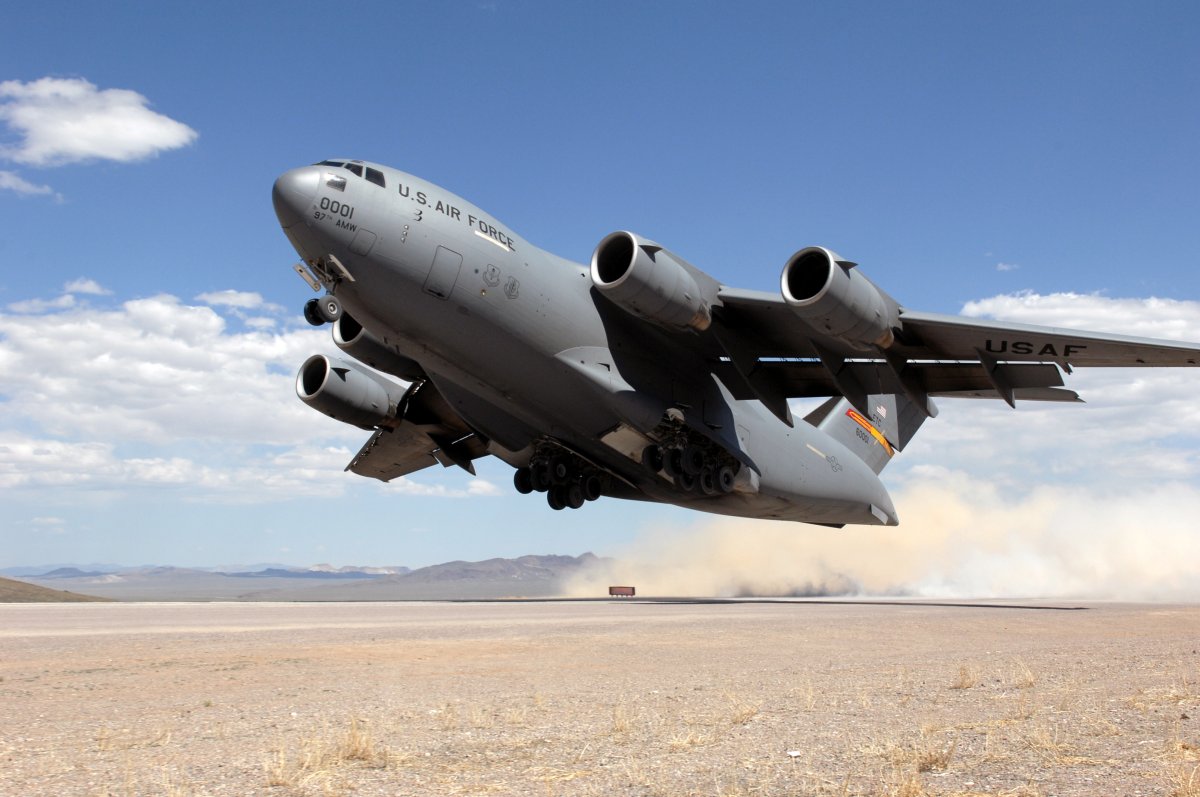
SYRIA - U.S. Central Command completed a 23-day transfer mission on February 13, moving more than 5,700 adult male Islamic State fighters from detention facilities in northeastern Syria to Iraq.
This operation followed the orderly departure of U.S. forces from al-Tanf Garrison on February 11, as part of consolidating American military locations in the country.
The base, established in 2014 under Combined Joint Task Force-Operation Inherent Resolve, supported operations against the Islamic State of Iraq and Syria.
Syrian army units assumed control of al-Tanf following coordination with U.S. authorities, securing the facility and deploying along the tri-border region with Iraq and Jordan.
The decisions stem from the territorial defeat of the Islamic State in 2019 and evolving U.S. priorities in Syria. Initially established to combat the group, al-Tanf later served to monitor Iranian-backed militias and disrupt their supply routes.
Relations shifted after the overthrow of Bashar al-Assad in December 2024, leading to improved ties with the new Syrian government under President Ahmad al-Sharaa.
A November 2025 White House meeting between al-Sharaa and U.S. President Donald Trump facilitated Syria’s integration into anti-Islamic State efforts.
This included agreements to merge the Kurdish-led Syrian Democratic Forces into national structures and transfer over 2,200 Islamic State detainees to Iraq. The consolidation reduces the U.S. footprint while relying on Syrian and Iraqi forces for counter-terrorism.
Detainee Transfer Mission Details
The transfer began on January 21, and involved transporting detainees from facilities in Syria to Iraqi custody. Combined Joint Task Force-Operation Inherent Resolve led the planning, coordination, and execution.
U.S. forces successfully moved the detainees by land and air, ensuring secure operations. This mission addressed overcrowding in Syrian facilities and supported regional security.
Iraqi leadership cooperated in receiving the detainees, who remain in custody for further processing. Over 2,200 Islamic State detainees moved from Syria to Iraq in ongoing operations.
The moves support U.S. reorientation away from the Kurdish-led Syrian Democratic Forces toward Damascus and Baghdad, amid integration agreements and detainee transfers.
The actions reflect a calculation that direct U.S. involvement can decrease after Assad’s fall and the decline in Iranian influence. U.S. officials view the new Syrian and Iraqi governments as capable of handling counter-Islamic State responsibilities.
Al-Tanf Garrison Transition
The handover of al-Tanf occurred through direct coordination between Syrian Defense Minister Major General Marhaf Abu Qasra and Operation Inherent Resolve Commander Major General Kevin Lambert. Syrian forces entered the garrison to establish security, with the 54th Division deploying to the site.
This division, commanded by Brigadier General Hussein al Obaid, includes former Ahrar al Sham fighters. Al-Tanf served as a hub for counter-Islamic State efforts, enabling partner forces to disrupt supply lines and monitor threats.
American troops relocated to Jordan’s Tower 22 facility, maintaining capabilities to address regional challenges.
Establishment and Role of Al-Tanf Garrison
U.S.-backed Syrian opposition forces captured al-Tanf from the Islamic State in March 2016. The base became a key site for training and equipping partner groups under Operation Inherent Resolve.
American Special Forces conducted advisory missions, focusing on counter-terrorism tactics and border security. The garrison also monitored Iranian-backed militias, disrupting weapon transfers to Hezbollah in Lebanon.
It supported humanitarian efforts at the nearby Rukban camp, where displaced persons received aid. Over time, al-Tanf hosted joint patrols and airstrikes against Islamic State remnants.
Background and Reasons for Withdrawal and Transfer
The decisions stem from the territorial defeat of the Islamic State in 2019 and evolving U.S. priorities in Syria. Initially established to combat the group, al-Tanf later served to monitor Iranian-backed militias and disrupt their supply routes.
Relations shifted after the overthrow of Bashar al-Assad in December 2024, leading to improved ties with the new Syrian government under President Ahmad al-Sharaa.
A November 2025 White House meeting between al-Sharaa and U.S. President Donald Trump facilitated Syria’s integration into anti-Islamic State efforts.
This included agreements to merge the Kurdish-led Syrian Democratic Forces into national structures and transfer over 2,200 Islamic State detainees to Iraq. The consolidation reduces the U.S. footprint while relying on Syrian and Iraqi forces for counter-terrorism.
Official Statements
“Job well done to the entire Joint Force team who executed this exceptionally challenging mission on the ground and in the air with great focus, professionalism, and collaboration with our regional partners. We appreciate Iraq’s leadership and recognition that transferring the detainees is essential to regional security.” (Adm. Brad Cooper, CENTCOM Commander, February 13, 2026)
“I am extremely proud of the coalition’s exceptional work. The successful execution of this orderly and secure transfer operation will help prevent an ISIS resurgence in Syria.” (U.S. Army Maj. Gen. Kevin Lambert, CJTF-OIR Commander, February 13, 2026)
“U.S. forces remain poised to respond to any ISIS threats that arise in the region as we support partner-led efforts to prevent the terrorist network’s resurgence. Maintaining pressure on ISIS is essential to protecting the U.S. homeland and strengthening regional security.” (Adm. Brad Cooper, CENTCOM Commander, February 12, 2026)
“Syrian army units have taken control of al-Tanf and begun deploying along the Syrian-Iraqi-Jordanian border.” (Syrian Defense Ministry, February 12, 2026)
“The handover of the base took place in coordination with the U.S. military, and Syrian forces are now securing the base and its perimeters.” (Syrian Defense Ministry, February 12, 2026)
Full Report & Analysis
The full report includes expert analysis and risk assessment.
Full Report & Analysis →