Indian Coast Guard Dismantles International Oil Smuggling Syndicate in Arabian Sea Operation
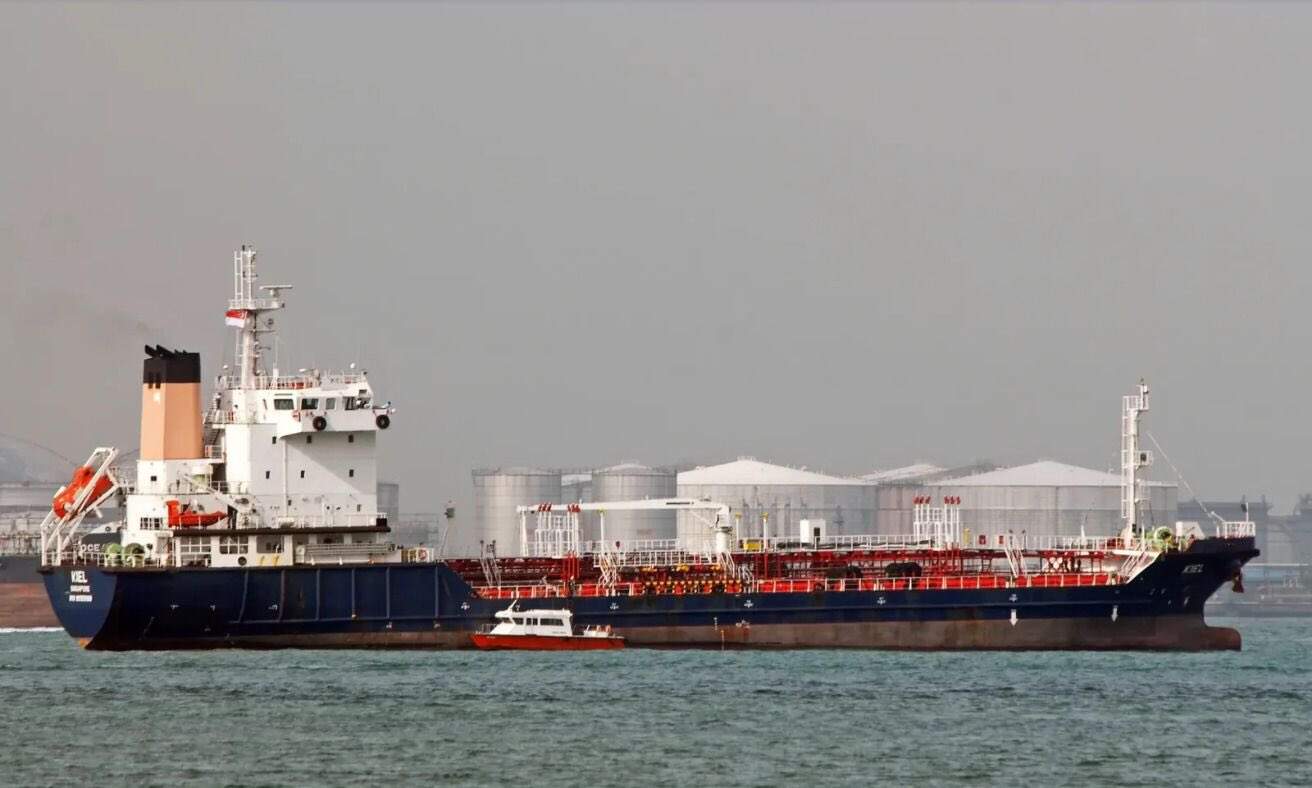
ARABIAN SEA - On February 5-6, the Indian Coast Guard executed a coordinated sea-air operation intercepting three vessels involved in illicit mid-sea transfers of oil-based cargo from conflict regions.
Detection occurred through technology-enabled surveillance identifying suspicious activity within India’s Exclusive Economic Zone. Boarding teams confirmed the syndicate’s operations via electronic data, documents, and crew interrogations.
The network transported low-cost oil to evade substantial duties, utilizing seagoing vessels for mid-sea offloading to motor tankers in international waters. Initial findings indicate foreign-based owners and multi-country handlers. Apprehended vessels frequently changed identities to avoid law enforcement.
This interception highlights efforts to combat maritime smuggling threatening economic security. Escorted to Mumbai, the vessels await further investigation by customs and other agencies.
Operational Details
Surveillance systems flagged a motor tanker with irregular movements, leading to identification of two converging vessels. Sustained searches and interrogations established the criminal chain. The operation disrupted potential illegal profits.
Vessels employed identity alterations as a key tactic. Cargo analysis verified origins from sanctioned areas.
Vessel and Cargo Context
The intercepted fleet included a primary motor tanker and support ships, positioned 100 nautical miles (185 kilometers) west of Mumbai. Registry checks reveal routine flag changes to obscure ownership. Cargo volumes highlight the scale of tariff evasion.
Official Statements
Ministry of Defense, February 7, 2026: “The Indian Coast Guard (ICG) successfully busted an international oil smuggling racket through a meticulously planned sea-air coordinated operation on 05-06 February 2026. The operation dismantled an intricate network involved in the illicit transfer of large volumes of oil and oil-based cargo originating from conflict-ridden regions. On 05 February 2026, three suspect vessels were intercepted by Indian Coast Guard ships approximately 100 nautical miles west off Mumbai. Sustained rummaging of the vessels, corroboration of electronic data recovered onboard, verification of documents, and detailed interrogation of crew members enabled the ICG specialist boarding teams to establish the complete chain of events and confirm the criminal modus operandi. The smuggling syndicate employed a modus operandi, wherein cheap oil was transported by seagoing vessels and transferred mid-sea to motor tankers in international waters. Initial investigations revealed that the syndicate comprised handlers operating across multiple countries, coordinating the sale and transfer of cargo between vessels at sea. The operation was initiated following detection by ICG’s technology-enabled surveillance systems, which identified a motor tanker engaged in suspicious activity within the Indian Exclusive Economic Zone (EEZ). A subsequent digital investigation and data pattern analysis of vessel movements led to the identification of two additional vessels converging on the tanker, suspected to be involved in illicit ship-to-ship transfer of oil-based cargo, thereby evading substantial duties owed to coastal states, including India. On confirmation of digital evidence through physical boarding on 05 February 2026, all three vessels were apprehended. Preliminary findings indicate that the vessels frequently changed their identities to evade detection by maritime law enforcement agencies. Initial investigations also suggest that the vessel owners are based in foreign countries. The apprehended vessels are likely to be escorted to Mumbai for further investigation and subsequent handing over to Indian Customs and other law enforcement agencies for appropriate legal action. This operation, initiated through advanced digital surveillance and enforced by the expanding maritime presence of the Indian Coast Guard, once again underscores India’s role as a net security provider in the maritime domain and a steadfast enforcer of the international rules-based order at sea.”
Full Report & Analysis
The full report includes expert analysis and risk assessment.
Full Report & Analysis →