U.S. Central Command Initiates Transfer of ISIS Detainees from Syria to Iraq

MIDDLE EAST - U.S. Central Command forces transported 150 Islamic State fighters from a detention facility in Hasakah, Syria, to a secure location in Iraq on January 21 as part of a mission to maintain secure detention of terrorists.
This operation begins a coordinated effort that could relocate up to 7,000 detainees from Syrian facilities to those controlled by Iraq. The mission involves collaboration with regional partners, including the Iraqi government, to prevent breakouts that could threaten U.S. and regional security.
In 2025, U.S. and partner forces detained more than 300 Islamic State operatives in Syria and killed over 20 during the same period.
Mission Details
U.S. Central Command initiated the transfer mission on January 21, 2026, targeting detainees in northeastern Syria. The first phase moved 150 Islamic State fighters from the Hasakah facility, situated in an area with prior Islamic State presence.
Coordination with Regional Partners
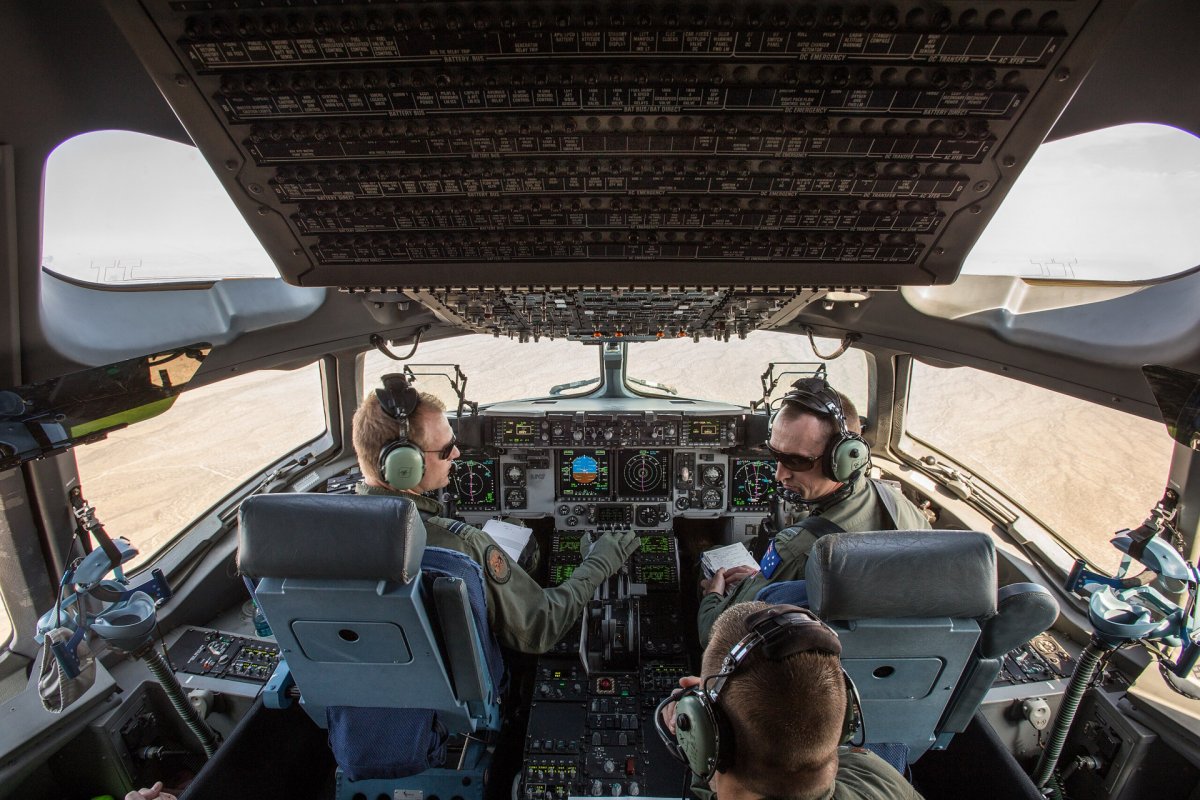
The
operation requires coordination with the Iraqi government, which
supports the secure transfer and the defeat of the Islamic State. U.S.
Central Command highlights this partnership’s role in regional
stability.
Background on ISIS Detainees in Syria
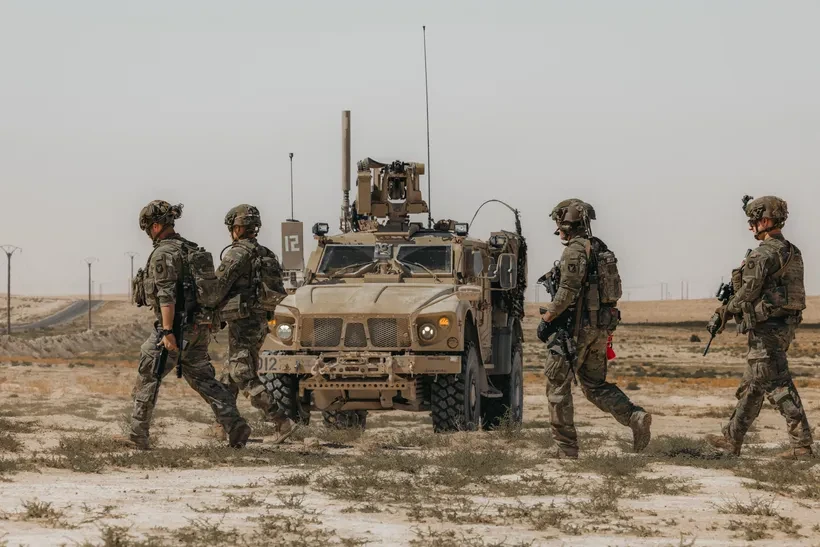
Northeastern Syria contains detention facilities set up after the Islamic State’s territorial defeat in 2019. These locations hold thousands of suspected fighters from coalition operations. The transfer aims to mitigate risks from potential regional instability.
Official Statements
Adm. Brad Cooper, CENTCOM Commander: “We are closely coordinating with regional partners, including the Iraqi government, and we sincerely appreciate their role in ensuring the enduring defeat of ISIS.” (U.S. Central Command, January 21, 2026)
Adm. Brad Cooper, CENTCOM Commander: “Facilitating the orderly and secure transfer of ISIS detainees is critical to preventing a breakout that would pose a direct threat to the United States and regional security.” (U.S. Central Command, January 21, 2026)
Full Report & Analysis
The full report includes expert analysis and risk assessment.
Full Report & Analysis →